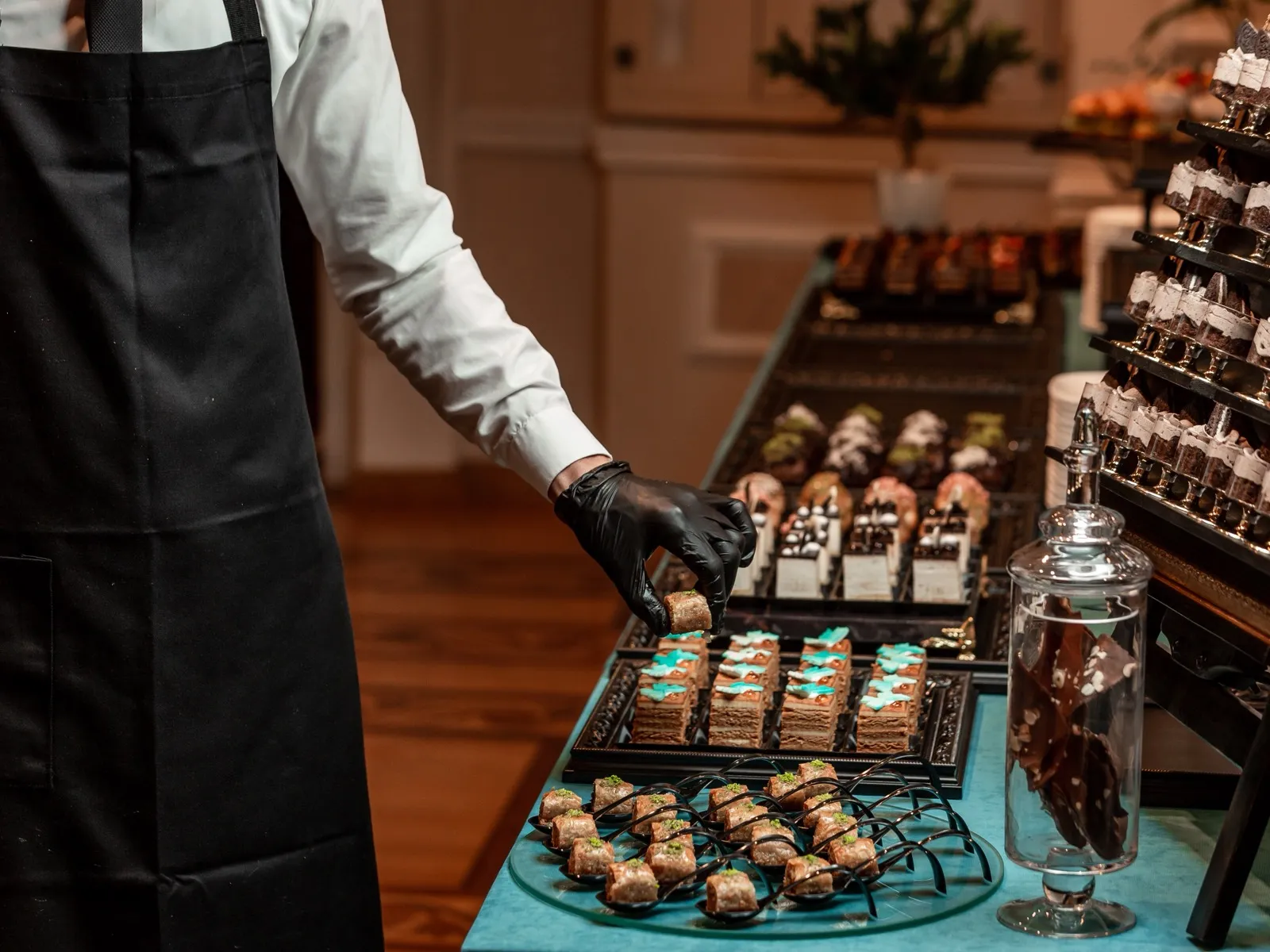
What does a waiter do?
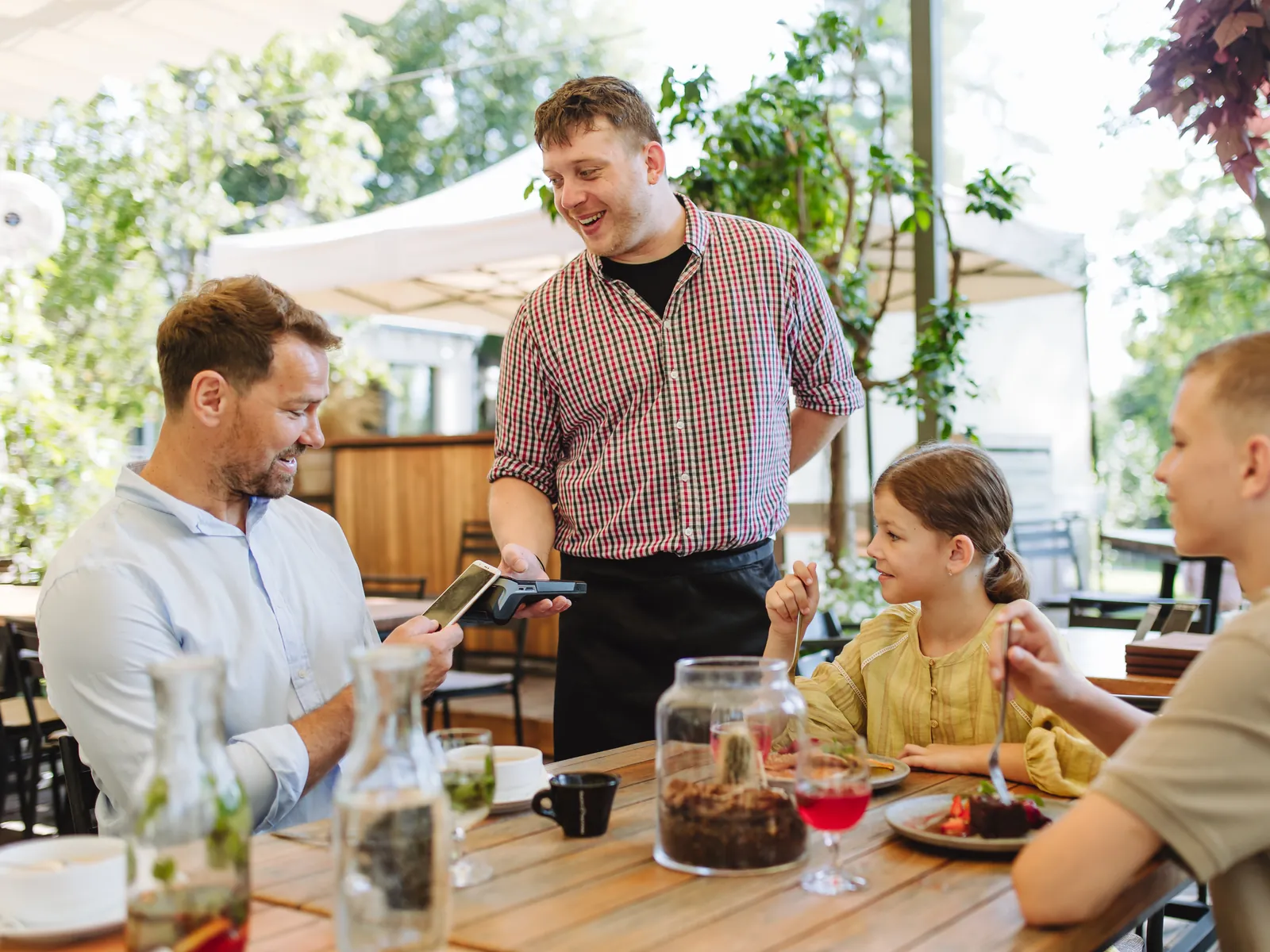
You take orders, bring food and drinks to the table and handle payment at the table. Usually you get a fixed section in the dining room or on the terrace.
No experience needed, but good Dutch
In hospitality, the flexi-job scheme has existed since 2015, longer than in any other sector. Cafés, restaurants and hotels in Flanders use it to cover their weekend and evening peaks, alongside students who work up to 650 hours a year at reduced contributions. A venue posts a shift for floor, bar or kitchen on AnyShift and you respond from the app.
An evening in hospitality
An evening shift in a brasserie usually runs from half past five until after midnight. Click a moment to read what you do at that point.
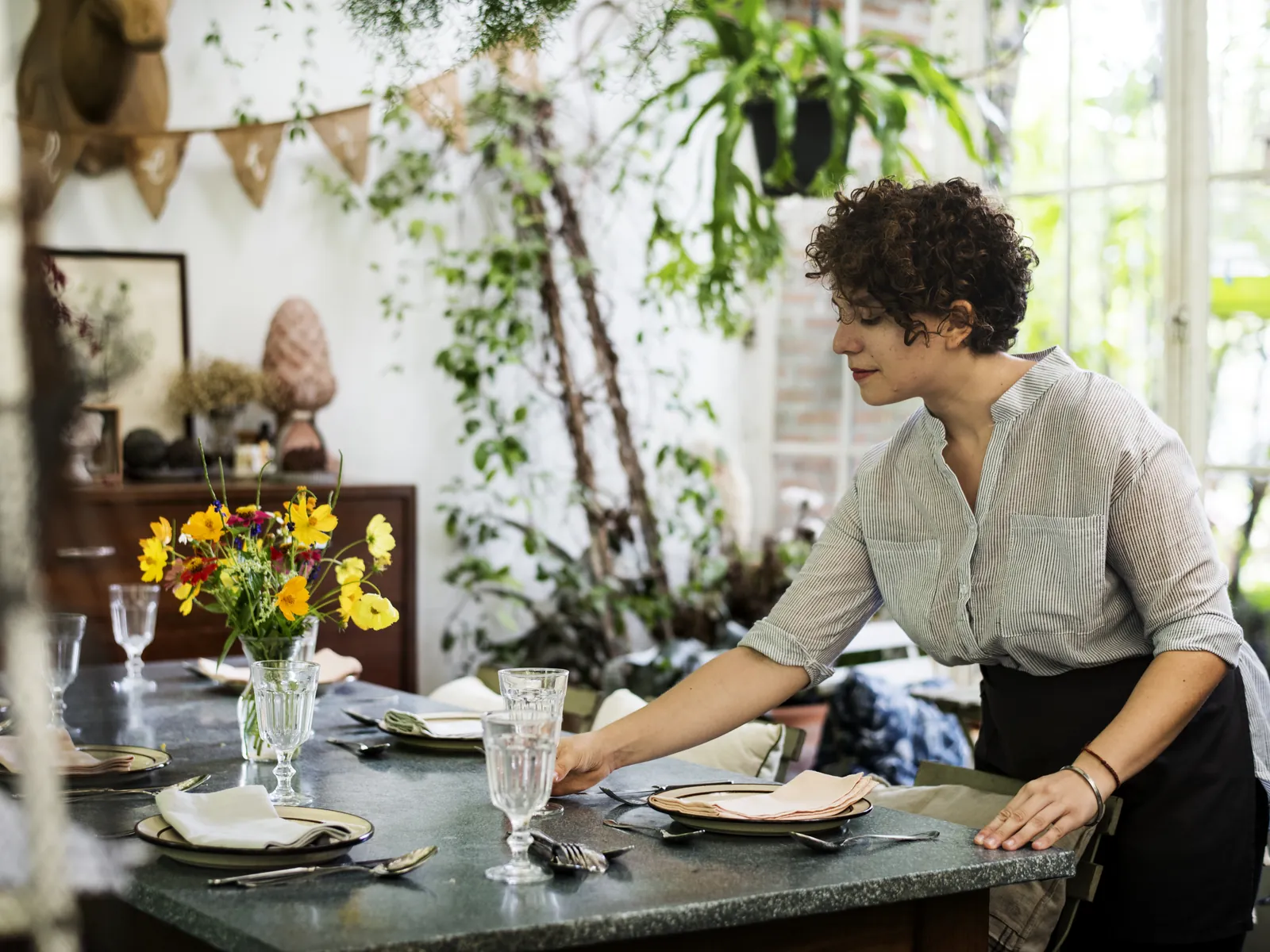

You start before the guests arrive. You lay the tables, set out cutlery and glasses and open up the terrace. The owner or chef quickly goes through the bookings and the dish of the day, so you know what you are selling that night.
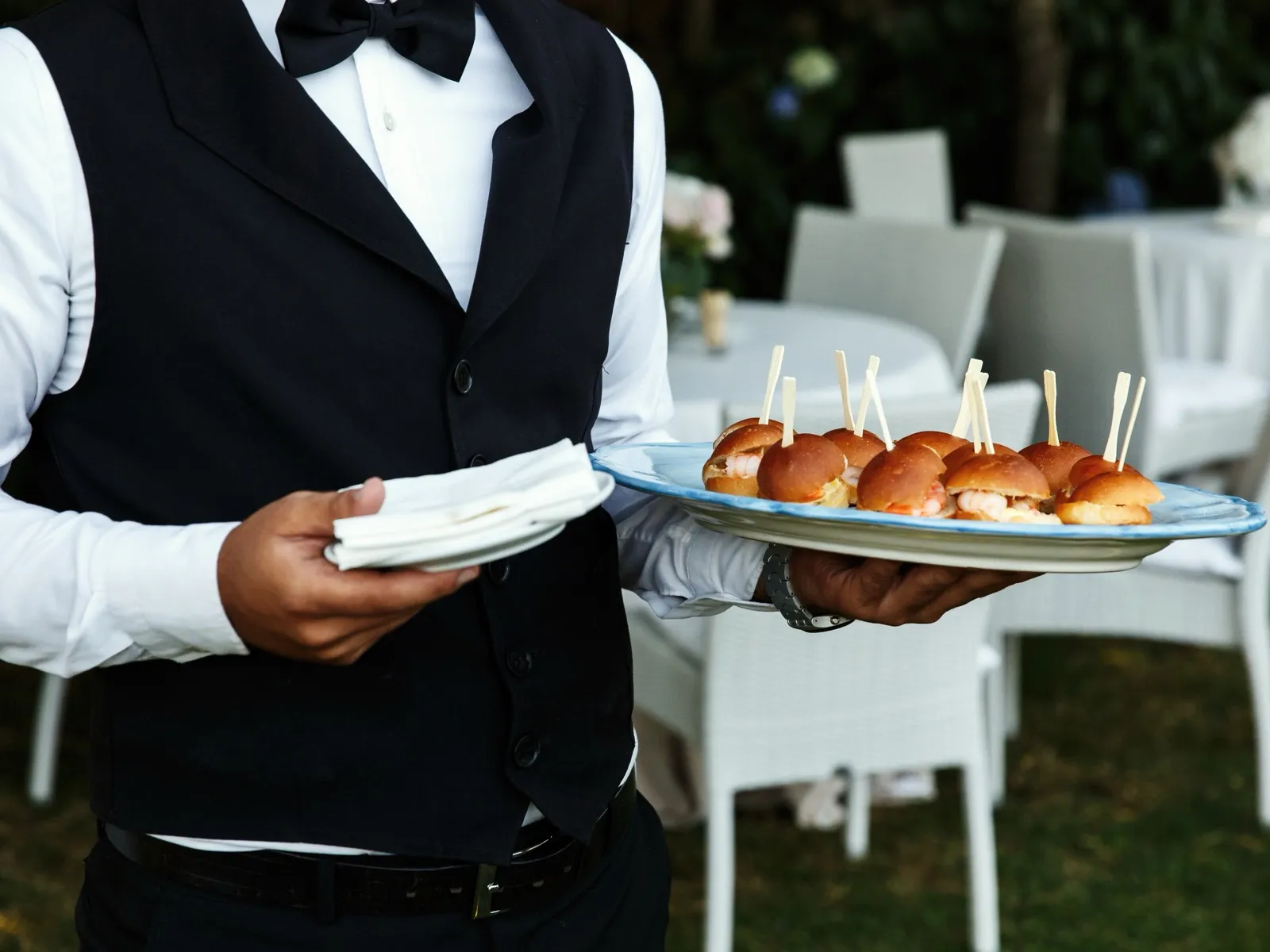
As a waiter you take orders, bring drinks and keep an eye on your tables. A venue usually gives you a fixed section, so you don't have to cover the whole room.
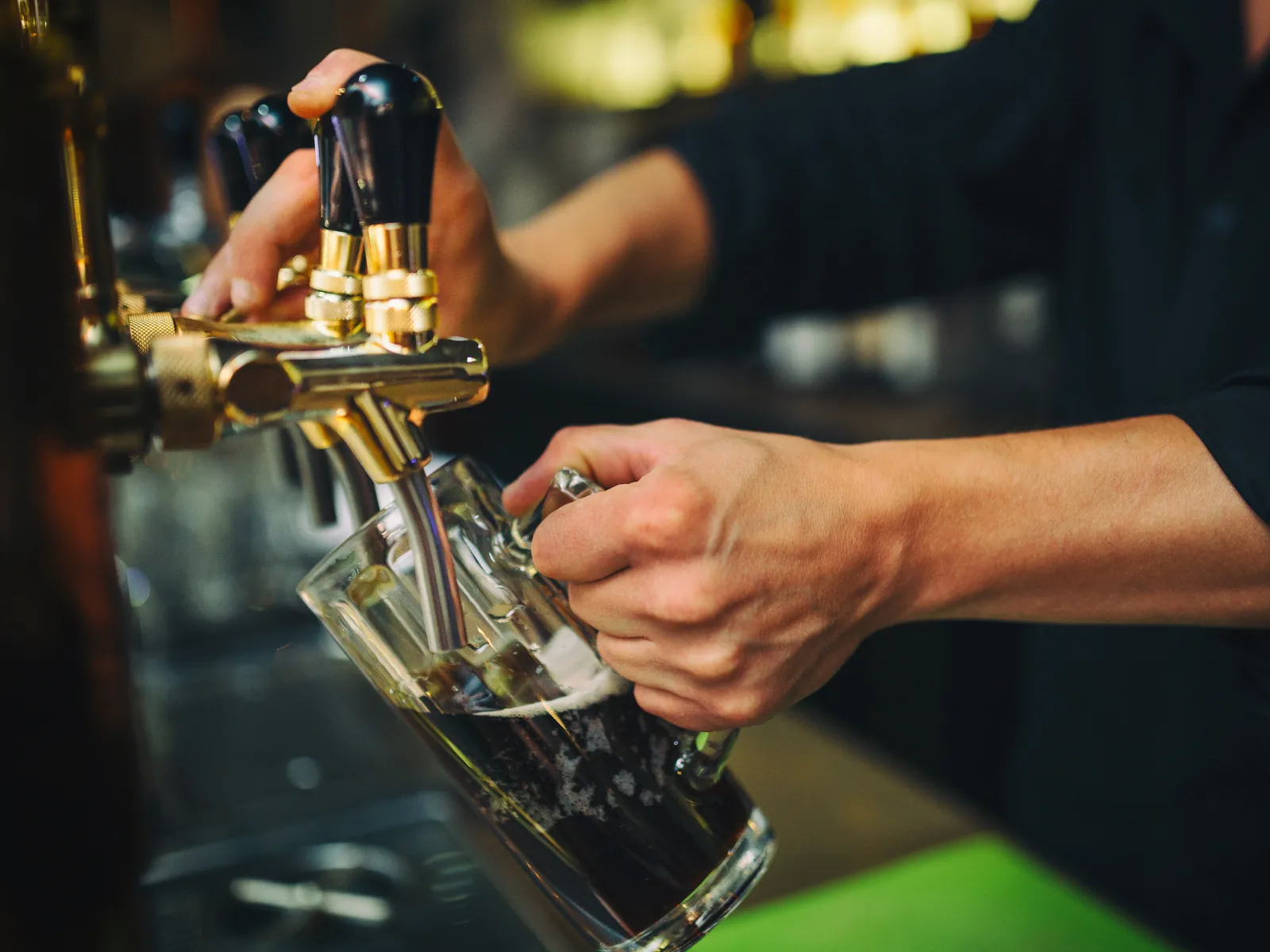
Around eight it gets busiest. As bar staff you pour beer, make cocktails and handle payments. Speed matters, but so does a well-poured pint: that is what a venue looks at.
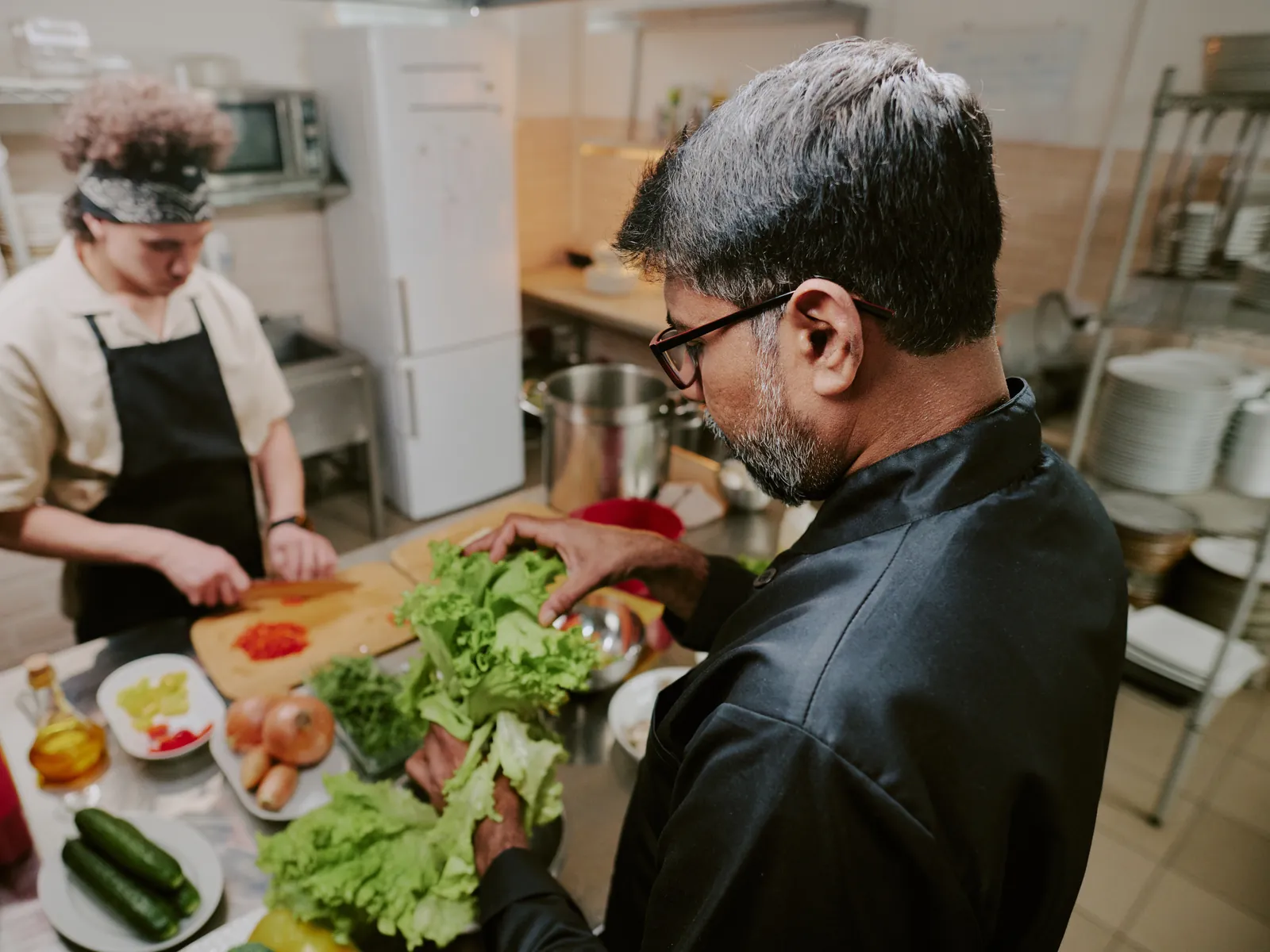
As kitchen help you chop vegetables, plate simple dishes and keep up with the washing up. It is where you learn fastest how a service works, even without experience.
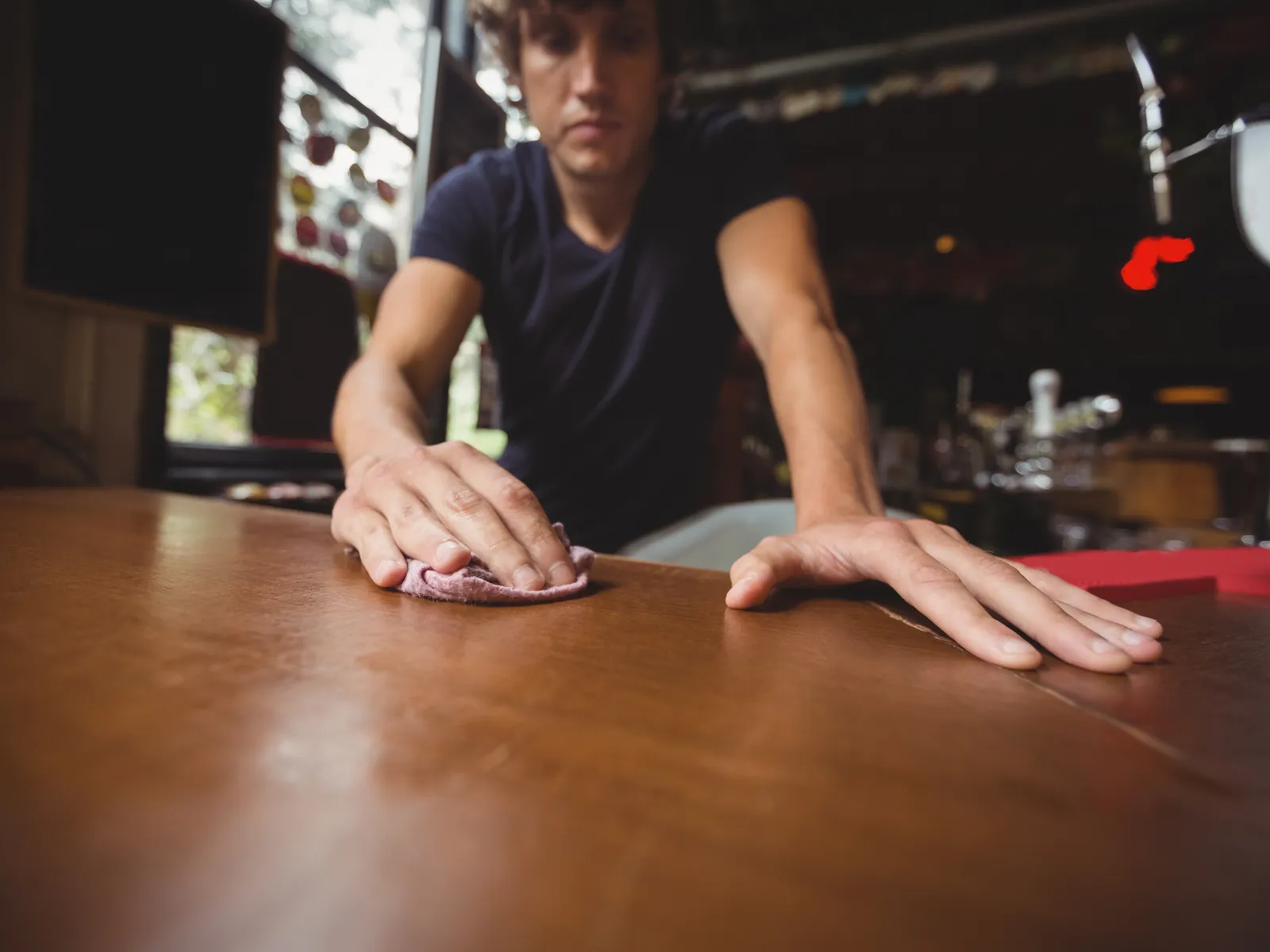
The terrace comes inside, the bar gets wiped down and the kitchen is left clean. If you are 16 or 17, your shift ends at 11 pm at the latest. If you are 15, at 8 pm. Then you close up and your hours are in the app.
Common roles: Waiter (fri and sat evening), Bartender (evening and weekend), Kitchen assistant (afternoon and evening), Barista (morning), Table clearer (weekend lunchtime), Breakfast attendant (6 to 11 am).
You take orders, bring food and drinks to the table and handle payment at the table. Usually you get a fixed section in the dining room or on the terrace.
No experience needed, but good DutchYou pull pints, pour wine and soft drinks, make coffee and sometimes cocktails. In a café you also take payment at the bar.
You learn to pull a pint on your first shiftYou chop vegetables, prepare simple cold dishes and help the cook plate up. In between you keep your station clean.
No experience needed, but follow hygiene rulesYou keep up with the washing-up during service, load and unload the dishwasher and put everything back in its place. Without you the kitchen grinds to a halt.
No experience neededHospitality is where students and flexi-jobbers most often get started. There are a few good reasons for that.

Most shifts fall on Friday and Saturday evenings and on Sundays. That fits around your classes or a full-time job.

Clearing tables and helping in the kitchen you learn in one evening. After a few shifts you are working the floor or behind the bar.
In hospitality you get 2 euros an hour extra on a Sunday or public holiday in 2026, up to 12 euros a day.
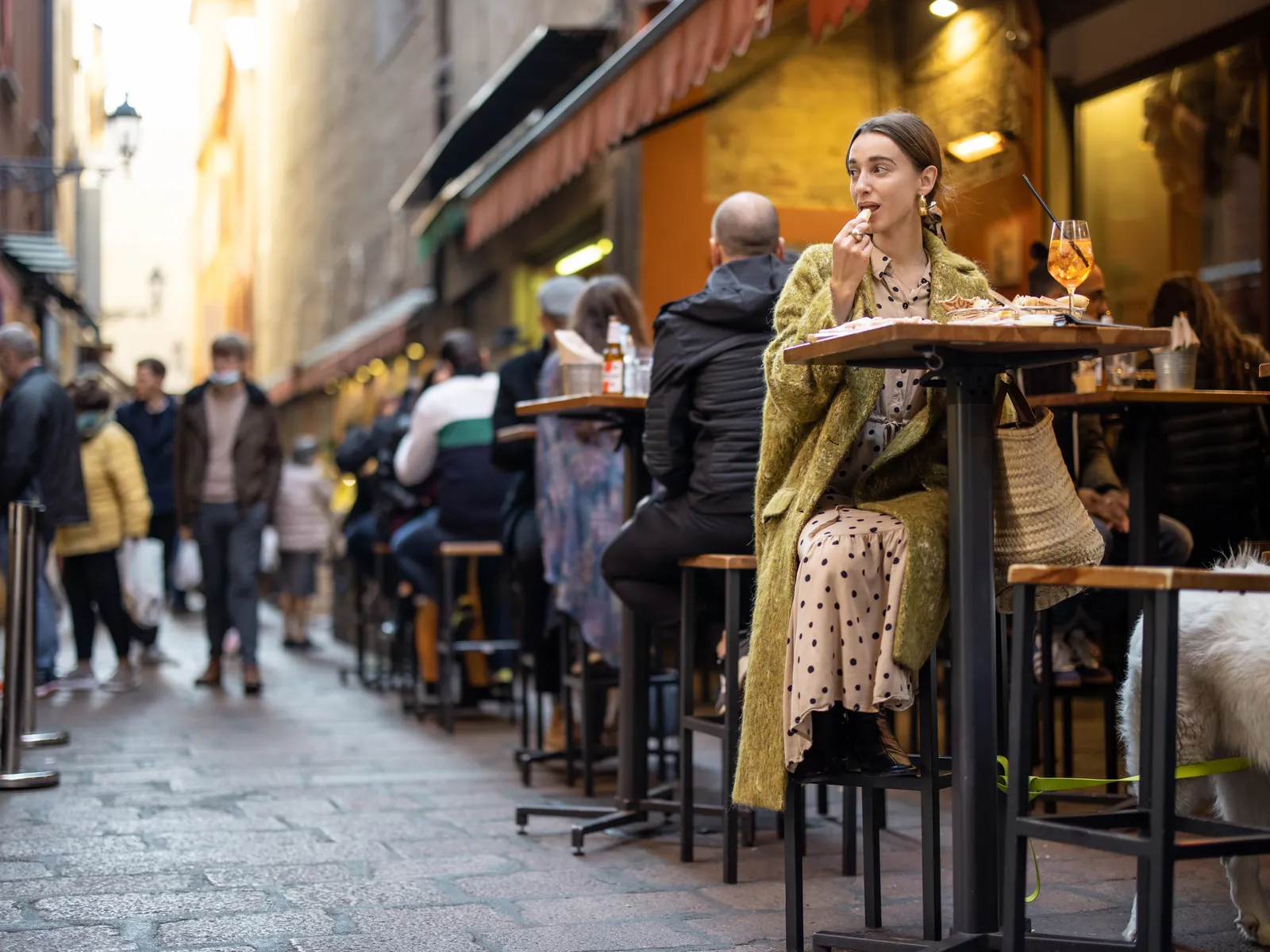
Every Flemish city has cafés, restaurants and hotels. After a late shift you are home in no time.
We deliberately leave out amounts here: they change with every indexation. Here is how your pay is set.
Your pay follows the scale of joint committee 302 for the hotel industry. For young student workers the minimum can be lower, depending on your age.
You get at least the minimum flexi wage for hospitality, plus flexi holiday pay. A venue may pay more. The minimum is indexed every year.
On Sundays and public holidays hospitality pays a supplement per hour. Tips from guests go to the team.
The hourly wage is listed with every shift in the app, so you know it before you respond.
| Student worker | Flexi-jobber | |
|---|---|---|
| Who can? | You are enrolled in education. You can start from 16, or from 15 after the first two years of secondary school. | You work at least 4/5 elsewhere or you are retired. |
| How much can you work? | Up to 650 hours a year at reduced contributions. | No hours cap. Your flexi income is tax-free up to 18,440 euros a year, with no cap for pensioners. |
| What does the state withhold? | A solidarity contribution of 2.71 percent. | You pay no social contributions yourself. |
| Late hours | If you are 16 or 17, your shift ends at 11 pm at the latest. If you are 15, at 8 pm. You work no more than one Sunday in two. | No extra restriction. |
| In hospitality since | Always. | 2015, the first sector with flexi-jobs. |
All the rules for 2026Rules checked on 7 October 2026.
Pick a shift in the app and tap apply.
The business picks you and your contract is ready.
Arrive on time and clock in through the app.
You work and break when it's allowed.
Clock out, your pay follows within days.
Then pick one type of venue.

The staff shortage in the Flemish hospitality sector has never been this severe. Restaurants have to close their doors o...
Read article
Flexi-job at night, on a Sunday or a public holiday? Discover the 2026 hospitality premiums, why they're tax-free and wh...
Read article
Flexi-job at the weekend, on Sunday or in the evening? See per city where the shifts are, from Antwerp to Hasselt, and w...
Read article
How much does a student worker earn per hour in 2026? Minimum by age, pay scales in hospitality, retail and logistics, n...
Read article
No cap on hours, but 18,440 euros tax-free. How many hours per day and per week you can work as a flexi-jobber, with res...
Read article
Do you work a flexi-job on an official public holiday in Belgium? Then you might wonder: do I get paid double?
Read article
Did you know that no fewer than 36% of young people aged 14 to 25 in Flanders had a second job during the school year? T...
Read article
For many students the exams are still in full swing, but the summer holidays are approaching fast. And if you want to ea...
Read article
Since 1 July 2026, flexi-jobs have been possible in almost every sector of the Belgian labour market. Three of the most...
Read articleDownload the app as a shifter or register your business for free.
Choose which cookies you allow. You can change your choice at any time.
Required to make the website work (session, security, your cookie choice). These cannot be switched off.
Help us understand how visitors use the site so we can improve it. Anonymised where possible.
Used to show relevant ads and measure campaign reach.