What does a hostess do?
You welcome visitors at a trade fair, conference or company party, register them and hand out badges. At the info desk you point the way and answer questions.
Speaking Dutch, French or English is a plus
Events joined the sectors where flexi-jobs are allowed in 2024, after an earlier extension for culture and sport in 2023. Festivals in July and August, trade fairs in spring and autumn and corporate parties in December cause short, intense peaks in set-up, bar and reception. Organisers post those set-up and service days on AnyShift, where crew with free days can schedule them straight away.
A festival day on the crew
A summer festival needs crew from early morning until after the last concert. You usually work one block of six to eight hours, not the whole day. Click a moment to see what happens then.
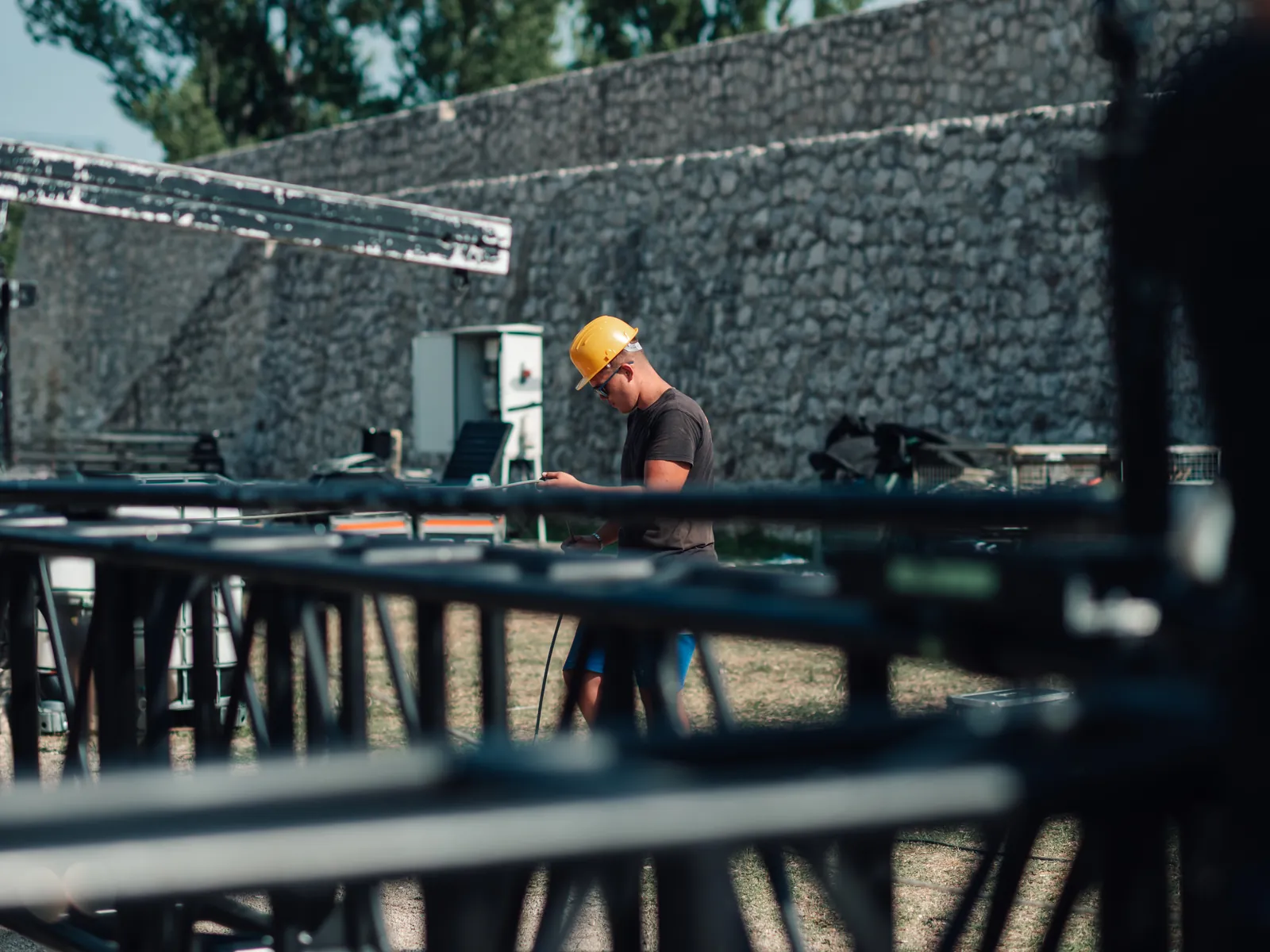



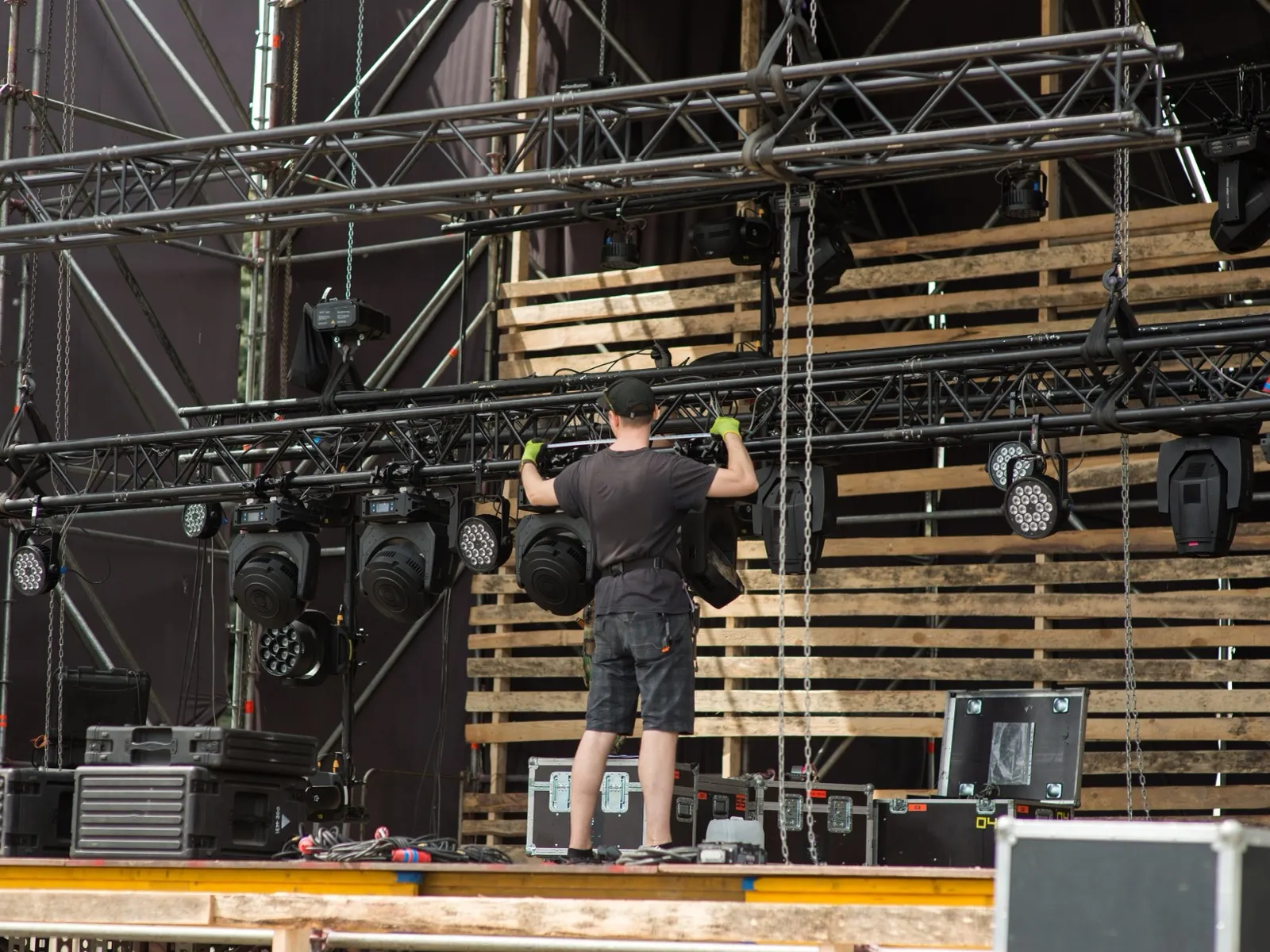
The set-up crew puts the last fences, signs and bins in place. A team leader shows you what goes where. You lift a lot and walk for kilometres across the site, so sturdy shoes and work gloves are a must.
Before the gates open you get your wristband, a crew shirt and a short briefing. You learn where the first aid post is, where the emergency exits are and who to call if something goes wrong. At big festivals you also get a radio.
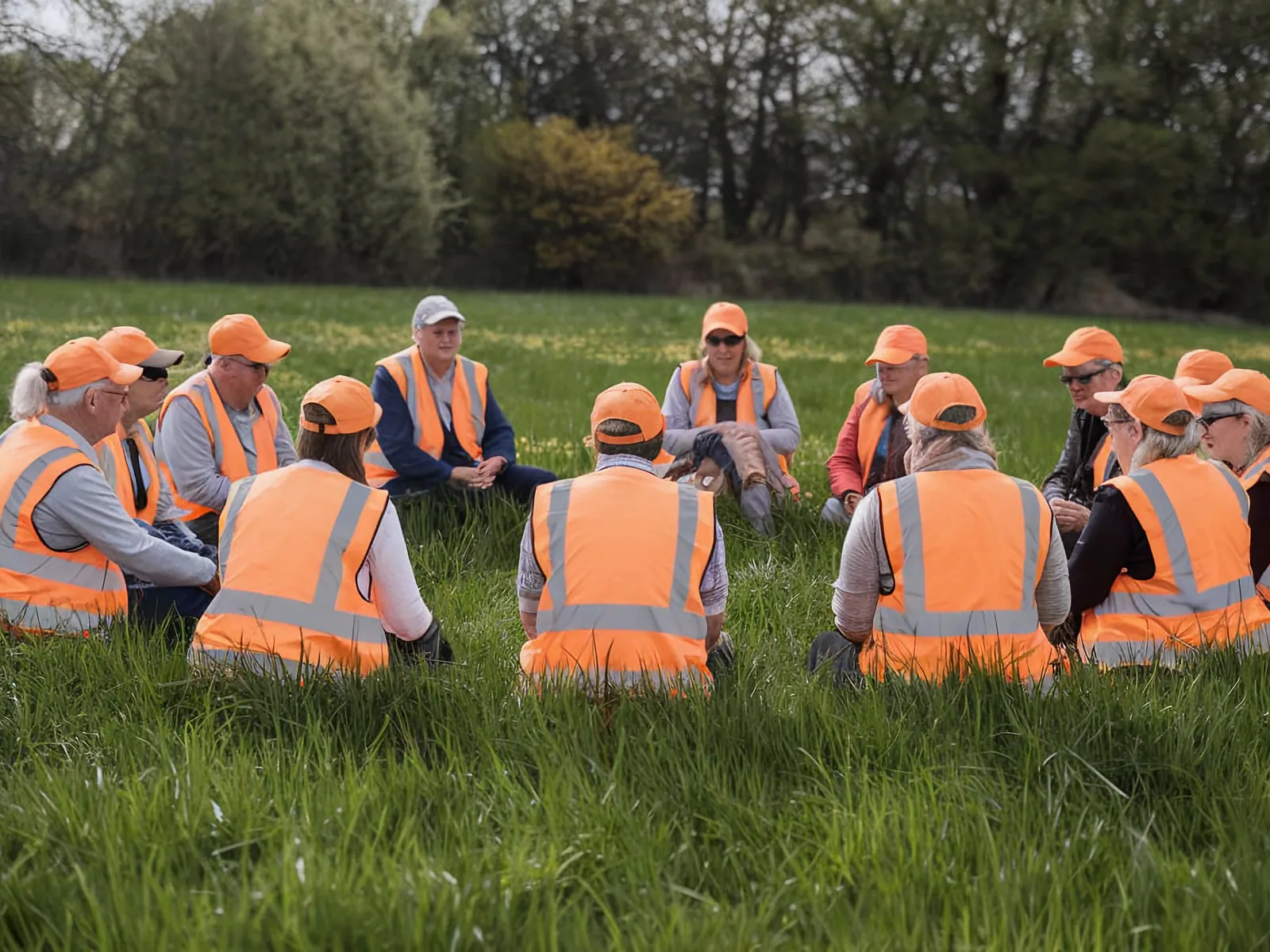
At the entrance you scan tickets and put wristbands on visitors. The first hour brings a long queue and everyone asks you the way to the stages. Bag checks and searches are done by a licensed security company, not by you.
At the token stand you sell drink tokens, at the cup stand you take back reusable cups and pay out the deposit. During a concert it is quiet, right after it everyone queues at once. You work the till with a regular colleague.
After the last act the night crew picks up litter and the first stands come down. If you are under 18 you went home long ago, because you are not allowed to work at night. Plan your way home in advance, as buses do not always run to a festival site at night.
Common roles: Set-up crew (days before), Bar staff (july and august), Reception host (8:00 to 18:00), Cloakroom attendant (november to march), Breakdown crew (the night after), Event marshal (parades and city festivals).
You welcome visitors at a trade fair, conference or company party, register them and hand out badges. At the info desk you point the way and answer questions.
Speaking Dutch, French or English is a plusYou guide the crowd at the entrances and along the route and keep the emergency exits clear. Searches and security are done by a licensed security company, not by you.
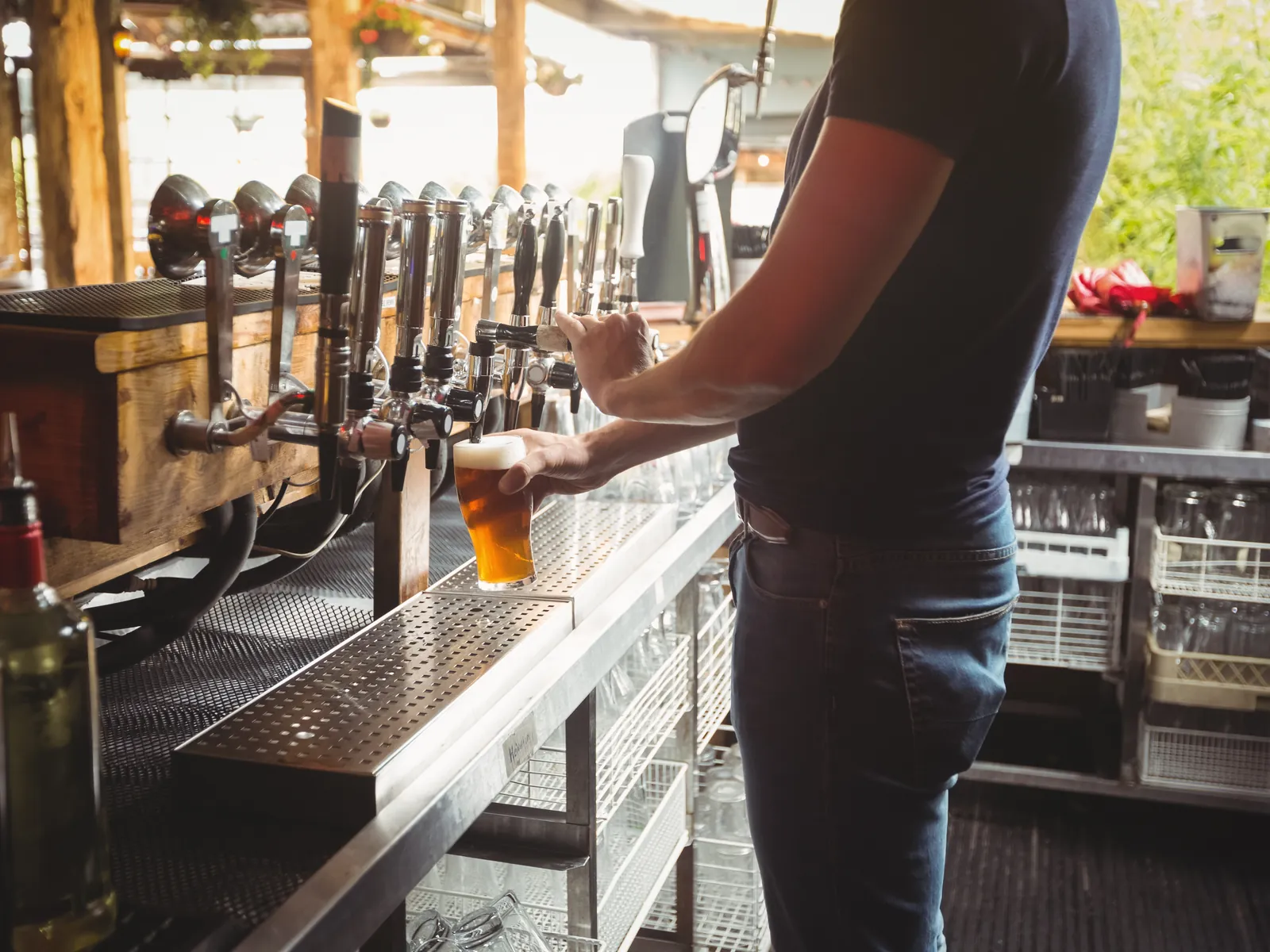
No experience needed, briefing on siteYou pour beers, serve soft drinks and take drink tokens at the festival bar. At the cup stand you take back reusable cups and pay out the deposit.
You learn to pour on siteIn the days before the event you help put up stages, tents, crowd barriers and stands. After the last act you take everything down again and load the trucks.
Sturdy shoes and work glovesAn event lasts a day or a weekend and needs a lot of hands at the same time. That makes it easy to fit in a few days here and there.
You pick one day or one block, no fixed schedule. Handy in a week with exams or a full working week.

Festivals and city festivals in summer, trade fairs in spring and autumn, corporate parties in December. There is work almost all year round.

You work with other students and flexi-jobbers. Do a good job once and you are often asked back for the next edition.

Scanning tickets or taking back cups takes ten minutes to learn. For the set-up, good shoes and some muscle are enough.
You will not find an hourly rate here, because it differs per organiser and changes with every indexation. Here is how it is set.
That depends on who organises the event. A hospitality business running the festival bar falls under JC 302, an organiser of concerts or shows under JC 304 for the entertainment industry. Each committee has its own pay scale.
You get at least the pay scale of that committee. If you are still young, the minimum can be lower depending on your age.
You get at least the minimum wage of the sector you work in, plus flexi holiday pay. An organiser can always pay more.
The hourly wage is shown with every shift in the app. If you work at night during the teardown or on a Sunday, the committee may provide a premium.
| Student worker | Flexi-jobber | |
|---|---|---|
| Who can do it? | You are a student aged at least 16, or 15 if you have finished the first two years of secondary school. | You have a job of at least 4/5 elsewhere or you are retired. |
| Hour cap | 650 hours a year at reduced contributions. A festival weekend adds up fast. | No cap. Tax-free up to 18,440 euros a year, with no limit for retirees. |
| Deducted from your pay | A solidarity contribution of 2.71 percent. | You pay no social contributions yourself. |
| Night work | Under 18 you do not work between 8 pm and 6 am in principle. The night teardown is not for you then. | Night blocks during setup or teardown are possible too. |
| At events since | Always. | 2024 for event companies, 2023 already for sport and the entertainment industry. |
All the rules for 2026Rules checked on 7 October 2026.
Pick a shift in the app and tap apply.
The business picks you and your contract is ready.
Arrive on time and clock in through the app.
You work and break when it's allowed.
Clock out, your pay follows within days.

Since 1 July 2026, flexi-jobs have been possible in almost every sector of the Belgian labour market. Three of the most...
Read articleDownload the app as a shifter or register your business for free.
Choose which cookies you allow. You can change your choice at any time.
Required to make the website work (session, security, your cookie choice). These cannot be switched off.
Help us understand how visitors use the site so we can improve it. Anonymised where possible.
Used to show relevant ads and measure campaign reach.