What does an operator do?
An operator sets up a machine, monitors it and fixes faults. As a student or flexi-jobber you start as an assistant next to a regular operator: you refill, check and report faults.
No experience needed as an assistant
In industry the work runs in shifts: early, late and sometimes right through the night. Food companies, chemical sites and metal firms in Flanders look for extra people in July and August, when regular staff are on holiday, and for big orders. As a student those hours count towards your 650 hours a year. Since 1 July 2026 flexi-jobs are possible in almost every sector, but it depends on the company's joint committee.
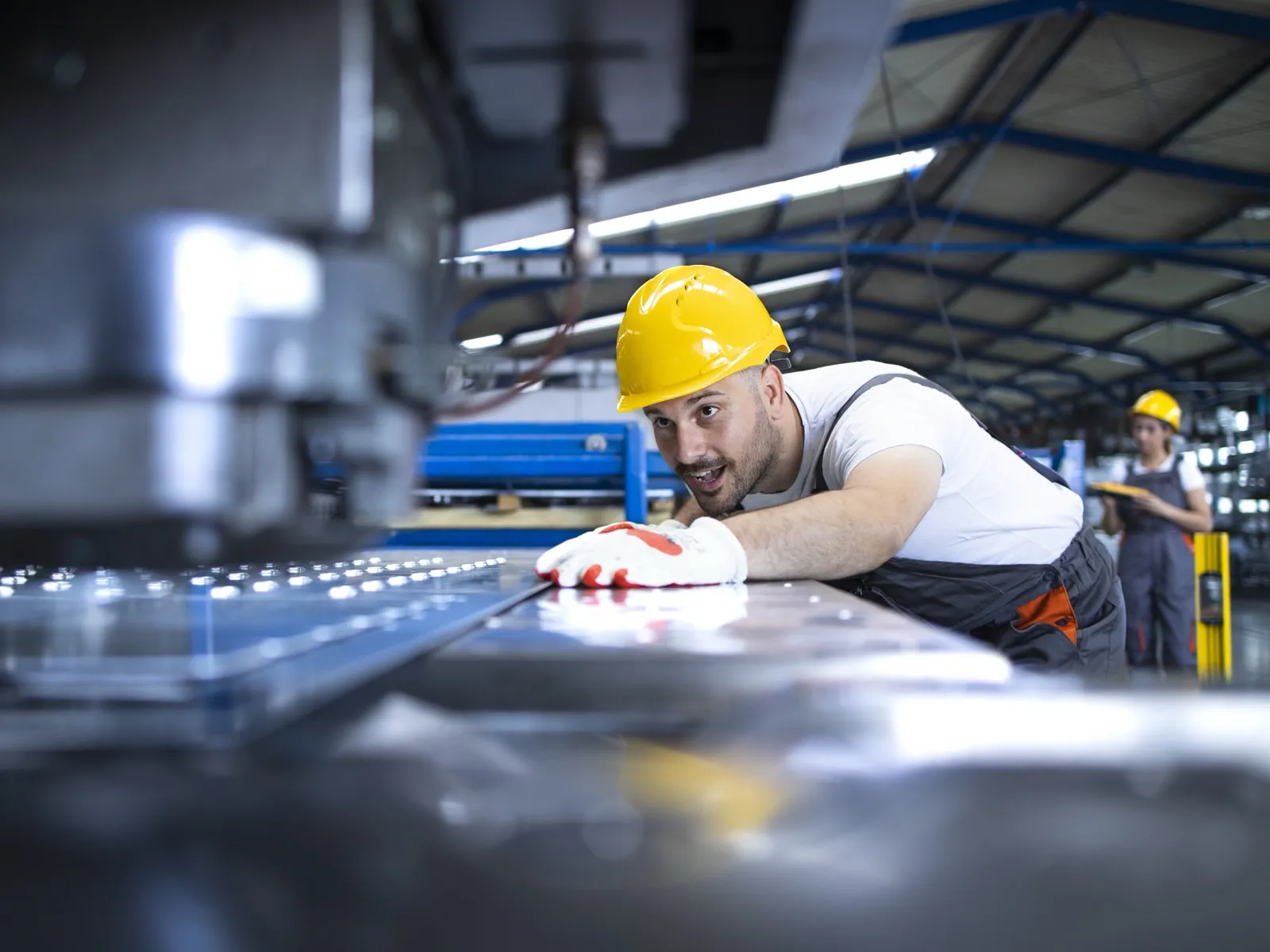
An early shift in industry
An early shift in industry usually runs from 6 am to 2 pm. You start with workwear and a short handover, then work at a line or machine next to a regular colleague and finish with a clean-up. Click a moment to see what it looks like.
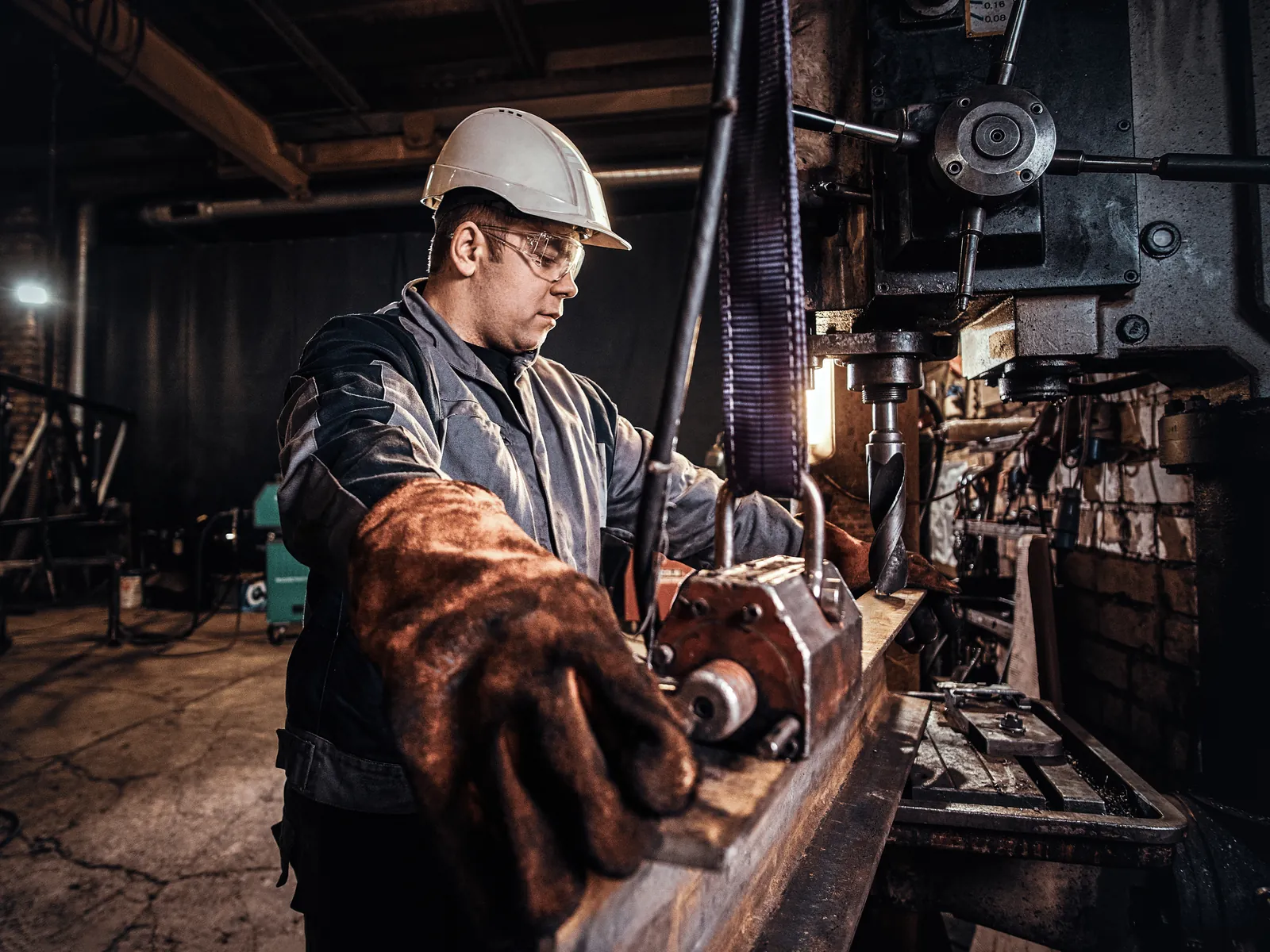
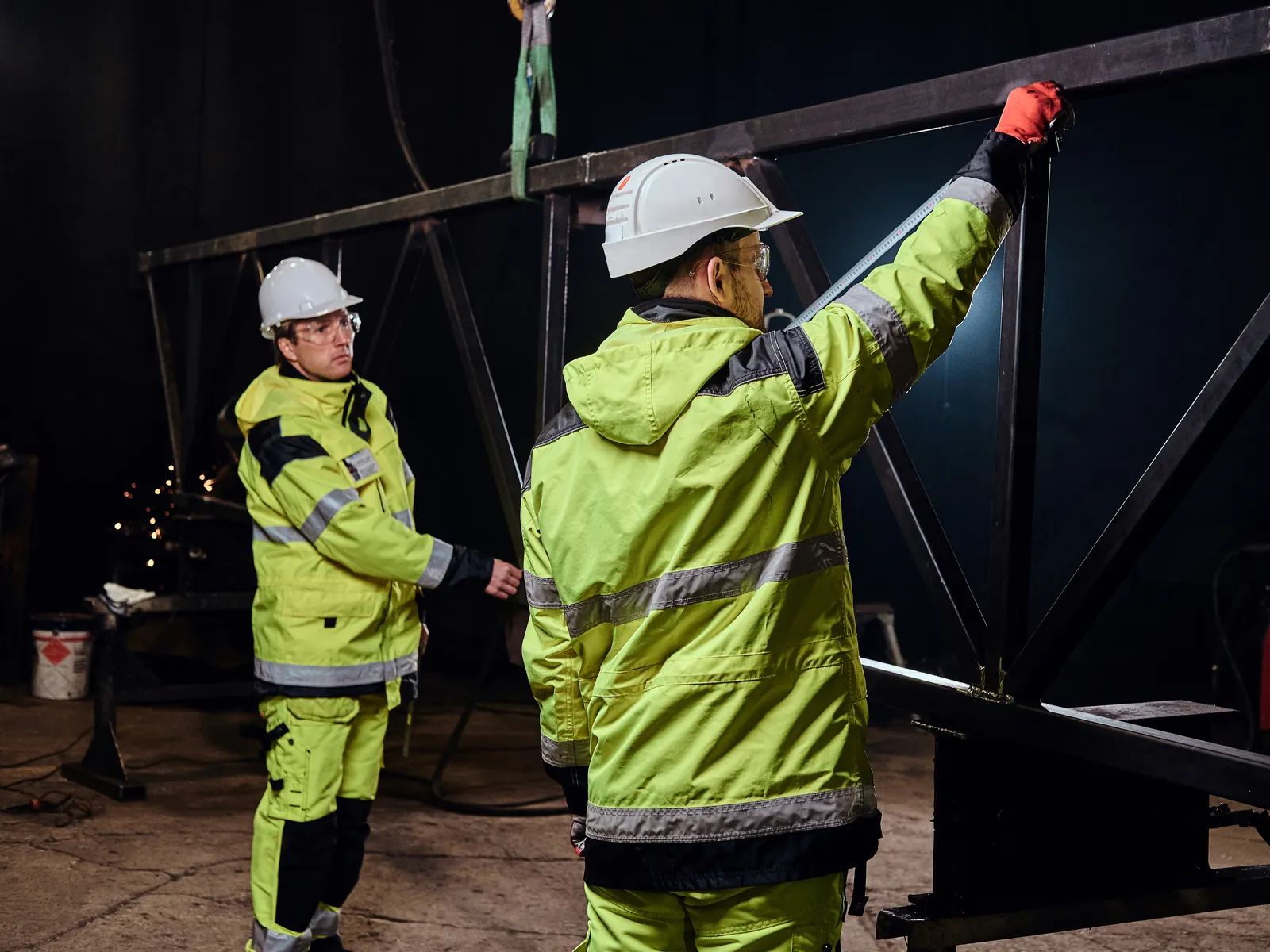
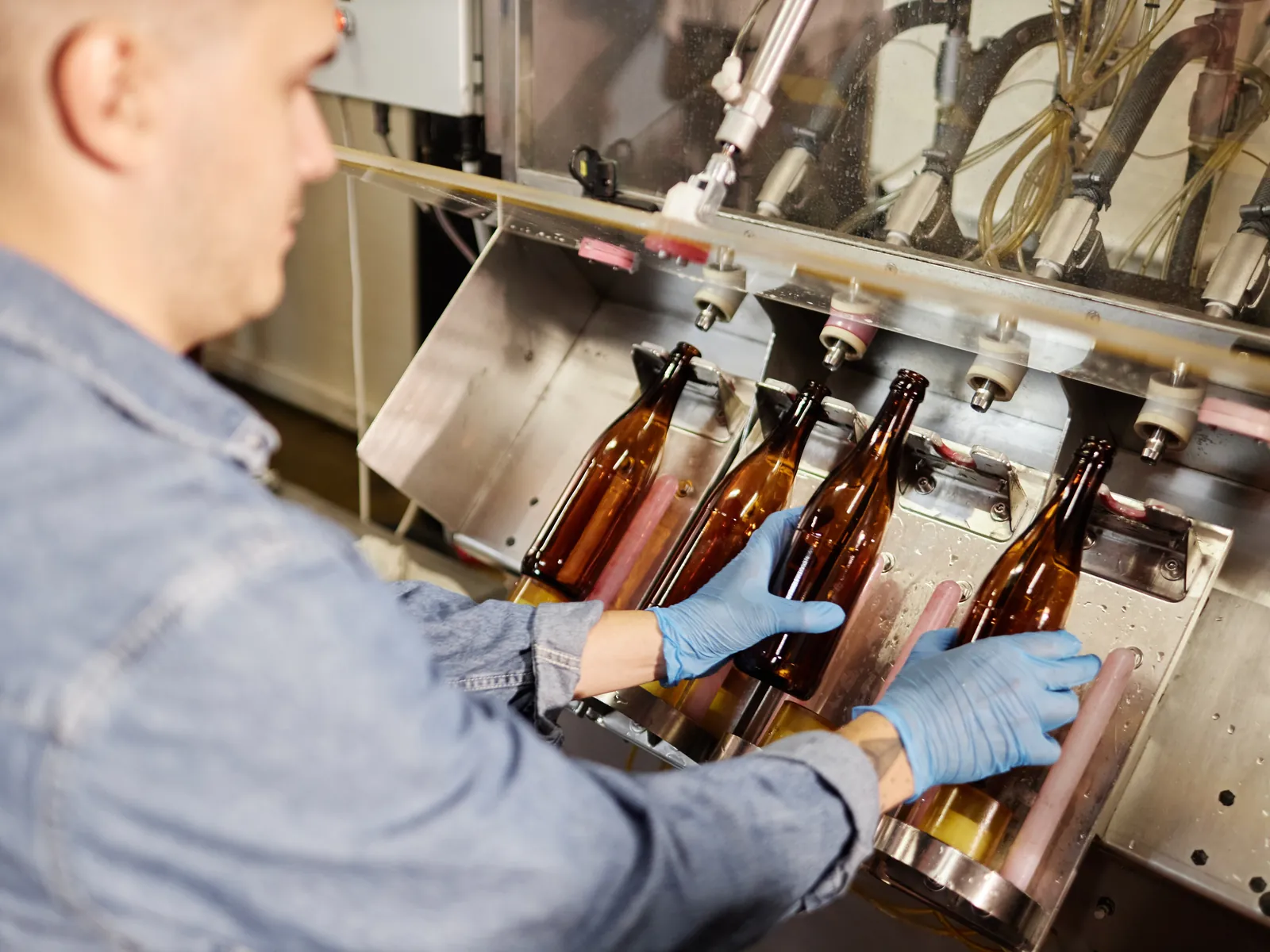
You put on your safety shoes and workwear and get a helmet, goggles or ear protection, depending on the site. On your first day you go through the safety rules with someone from the team.
The previous shift tells you what went well and what didn't. The shift supervisor tells you which line or machine you are on and who you work next to.
You keep an eye on a machine next to a regular operator: topping up packaging and raw materials, moving products along, taking faulty items off the belt. Setting up a machine or fixing a breakdown is the operator's job.
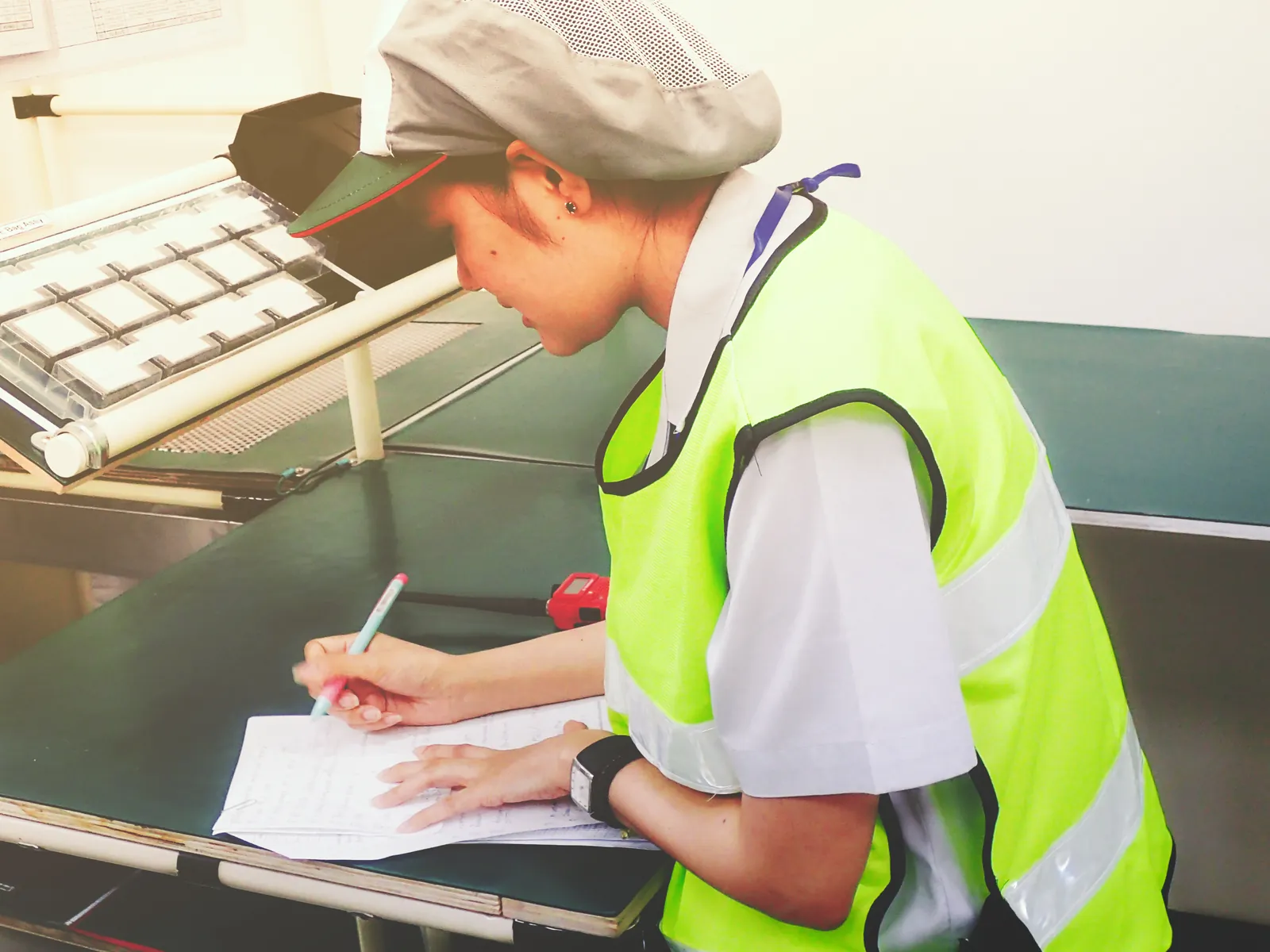
Every so often you take samples and check products for faults. In a food company you wear a hairnet and gloves for this. In between you get a short break.
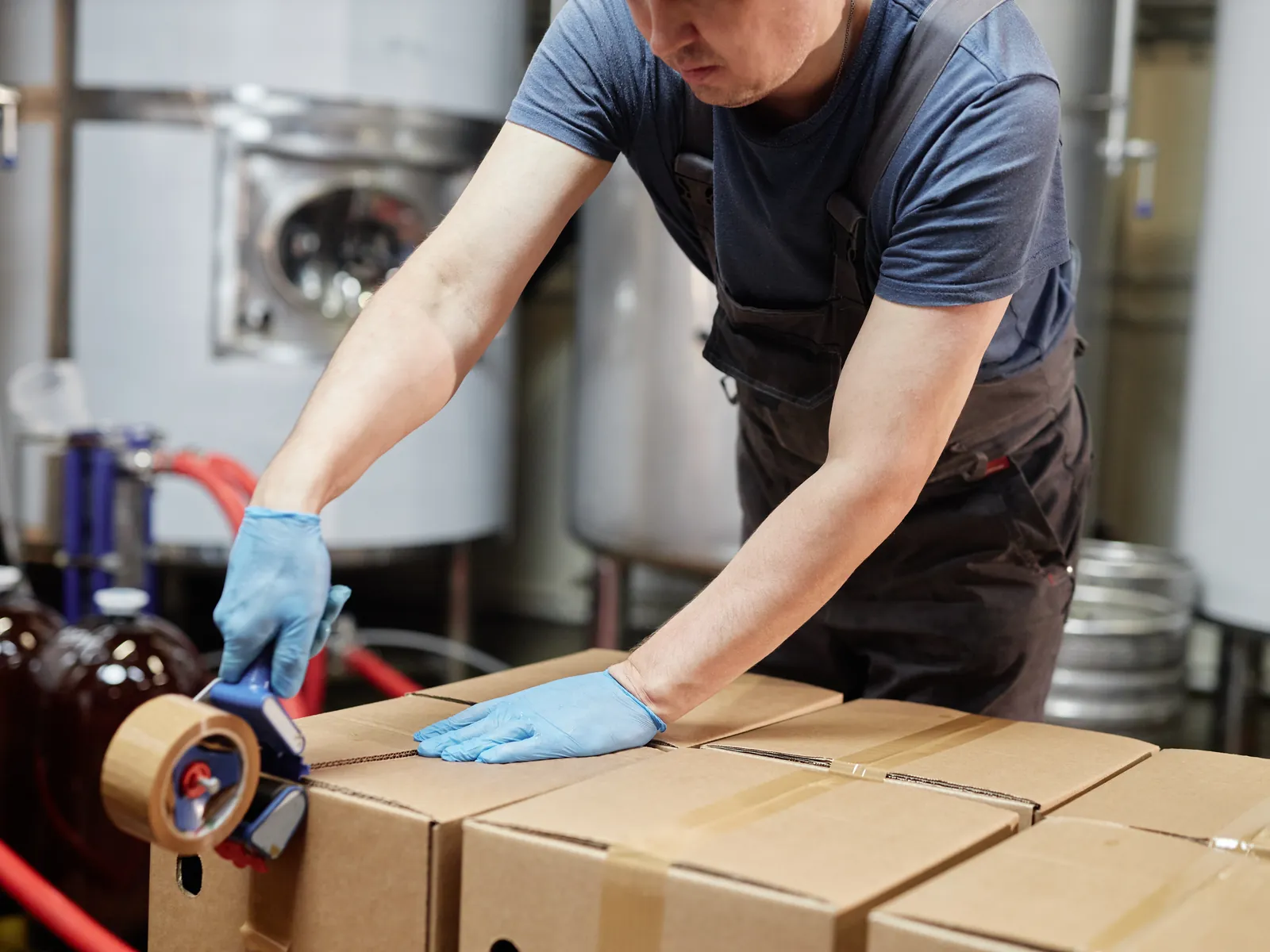
You clean your workstation, get the last boxes ready for shipping and tell the late shift what happened. At 2 pm your shift is done and your hours are in the app.
Common roles: Operator assistant (early shift), Quality inspector (big orders), On-site warehouse help (at shift change), Technical assistant (summer shutdown), Palletiser (end of shift), Seasonal food worker (july to october).
An operator sets up a machine, monitors it and fixes faults. As a student or flexi-jobber you start as an assistant next to a regular operator: you refill, check and report faults.
No experience needed as an assistantYou take samples from the line at fixed times and check their size, weight or label. Anything that is off, you note down and report to the shift leader.
Precise work, no other experienceYou help a maintenance technician during the summer shutdown or a planned stoppage. You fetch parts, clean machines and keep the work area clear.
Technical studies are a plusAt the end of the line you stack boxes on pallets, wrap them in film and get them ready for shipping. A colleague with a certificate drives the forklift.
Physical work, no certificate neededFactories look for extra people when it is busy or when regular colleagues are on holiday. For a student job or flexi-job that has a few advantages.
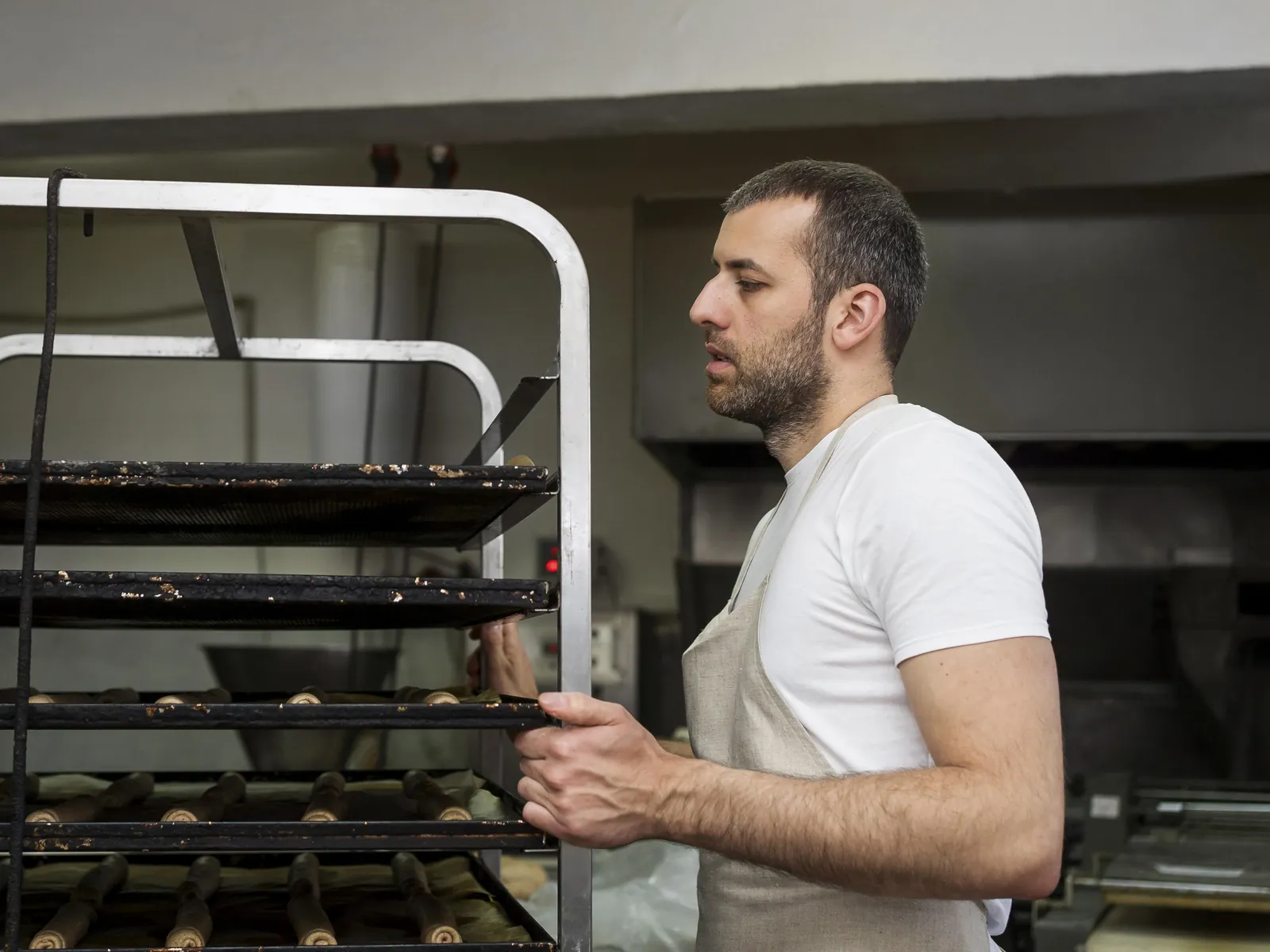
Early, late or at night: every shift shows its hours. After an early shift your afternoon is free. Night shifts are open from age 18.

You learn the work on the line in the first hour, next to a regular colleague. You don't need to know how to set up a machine.
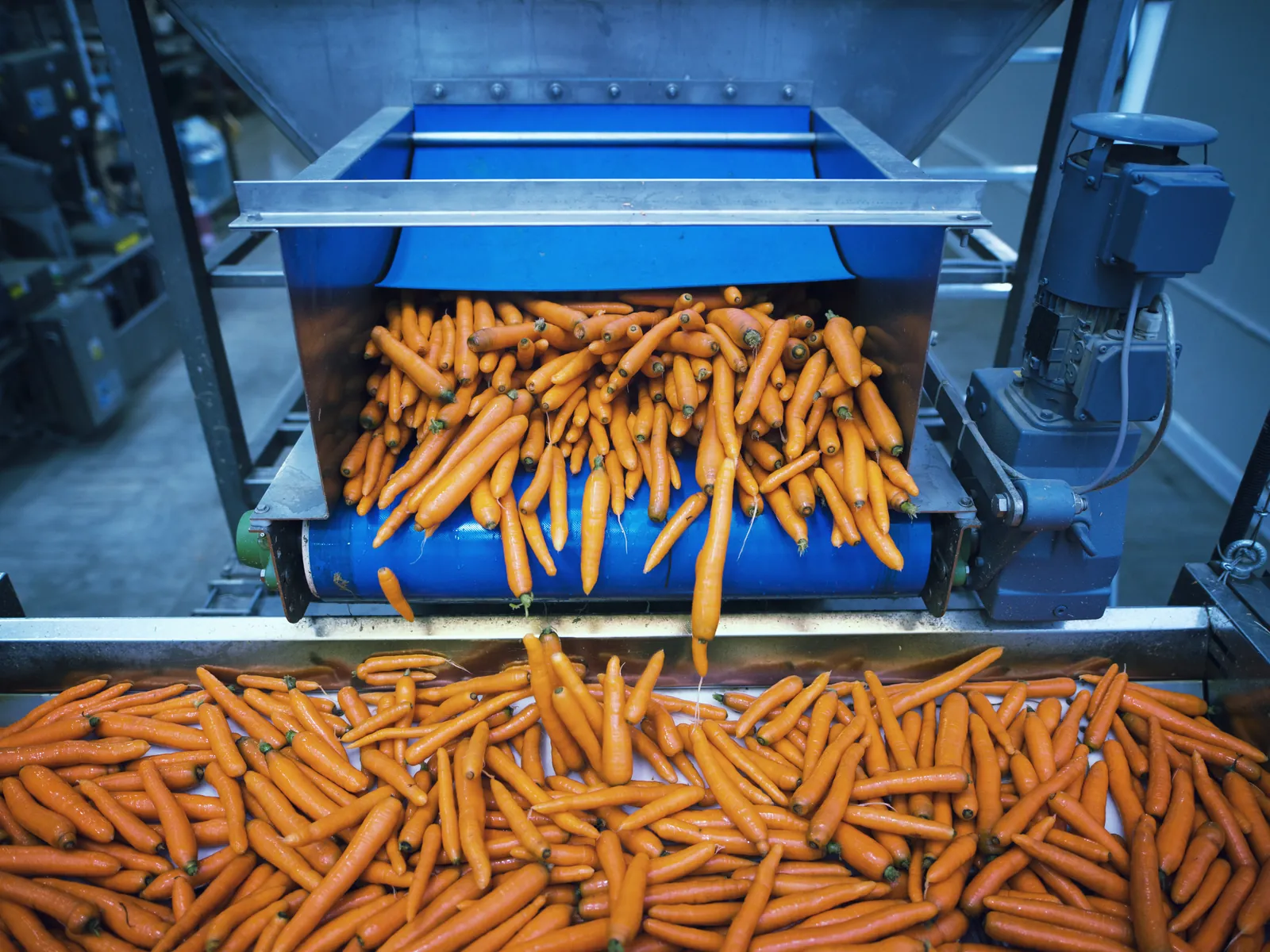
In July and August regular staff are on holiday and frozen food companies run their vegetable season. That is when there are the most shifts.
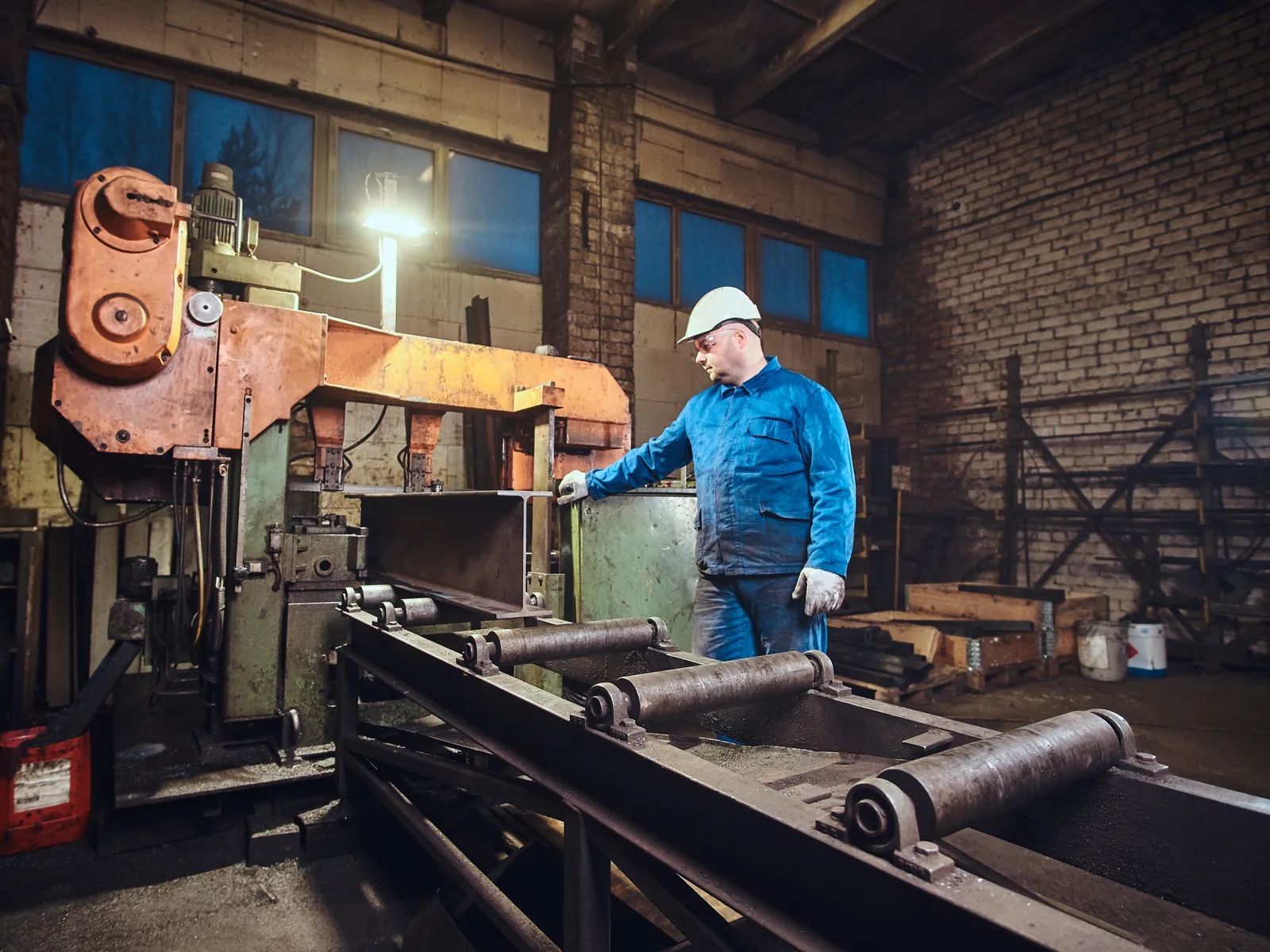
Food companies, chemical plants and metal firms are spread across Flanders, often on an industrial estate just outside town.
You won't find amounts here: they differ per sector and change with every indexation. Here is how your pay in a factory is set.
That depends on what the factory makes. A metal company usually falls under joint committee 111, a chemical company under 116 and a food company under 118, each with its own pay scale per job.
You get at least the pay scale for your job in that committee. For young students the minimum can be lower, depending on your age.
Your flexi wage follows at least the pay scale for your job in the sector, plus flexi holiday pay. A company may pay more.
If you work shifts or nights, the committee's collective agreement often provides a shift or night premium. The hourly wage is shown with every shift in the app, so you know it before you respond.
| Student | Flexi-jobber | |
|---|---|---|
| Who can do it? | Any student from age 16, or from 15 after the first two years of secondary school. | Anyone working at least 4/5 for another employer, or retired. |
| How many hours? | Up to 650 hours a year at a lower contribution. | Unlimited. Your flexi wage is tax-free up to 18,440 euros a year, with no ceiling for retirees. |
| Deductions | Only a solidarity contribution of 2.71 percent. | You pay no social contributions yourself. |
| Night shift | Only from age 18. Under-18s in principle don't work between 8 pm and 6 am. | Possible, if the site runs a night shift. |
| Flexi in the factory | As a student it was always possible. | Since 1 July 2026, unless the joint committee has an opt-out. Metal (joint committee 111) had none at the end of September 2026. |
All the rules for 2026Rules checked on 7 October 2026.
Pick a shift in the app and tap apply.
The business picks you and your contract is ready.
Arrive on time and clock in through the app.
You work and break when it's allowed.
Clock out, your pay follows within days.
Then take a look at production, for those who want to work on the line itself.
Download the app as a shifter or register your business for free.
Choose which cookies you allow. You can change your choice at any time.
Required to make the website work (session, security, your cookie choice). These cannot be switched off.
Help us understand how visitors use the site so we can improve it. Anonymised where possible.
Used to show relevant ads and measure campaign reach.