What does a packer do?
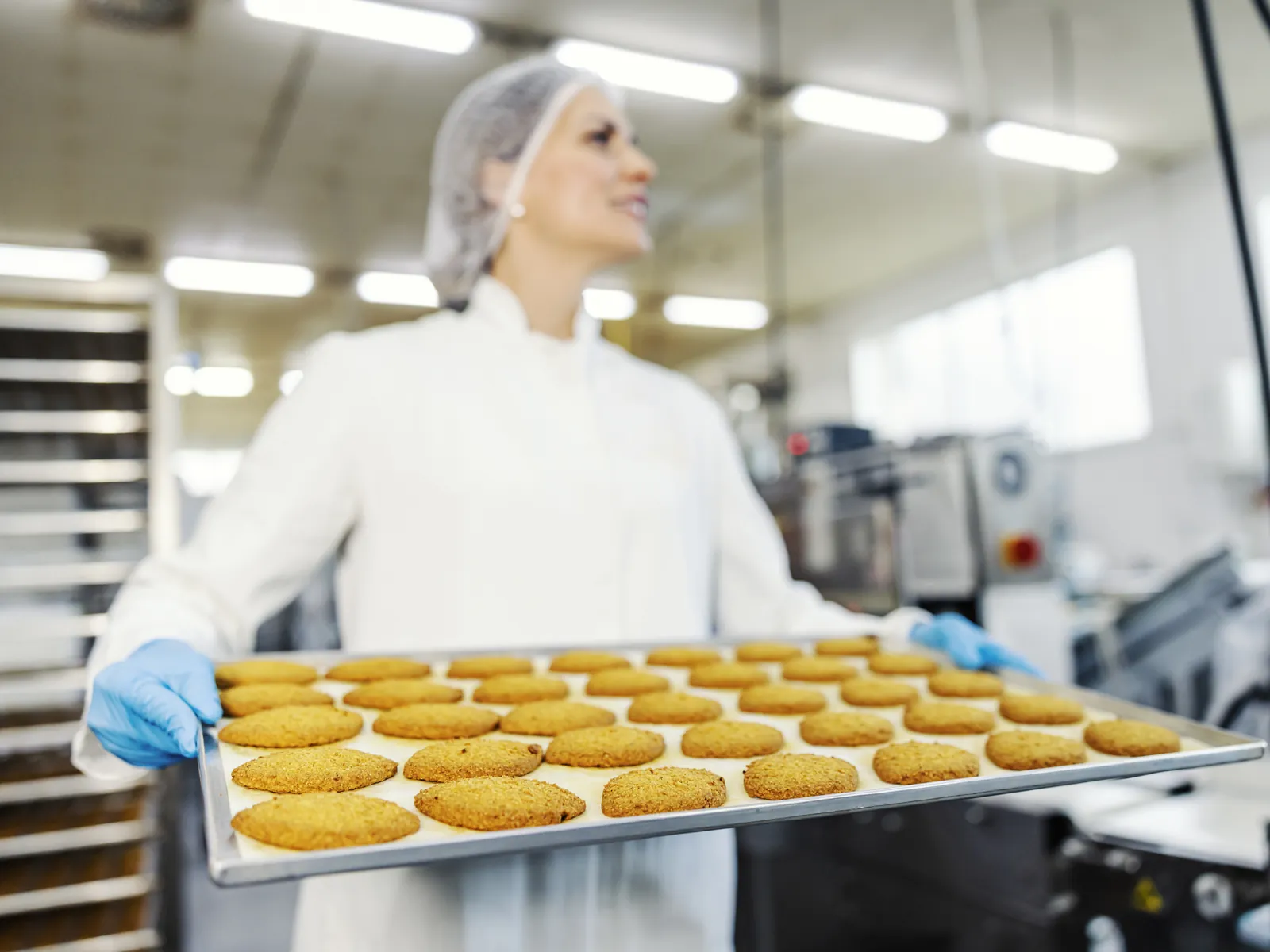
You put products in bags, trays or boxes, fold open new boxes and stack full boxes on a pallet. In a chocolate or biscuit factory you work with a hairnet and gloves.
No experience needed
As a production worker you stand at the line: you feed a machine, sort products, apply labels or take faulty items off the belt. The work is the same every time and you usually learn it in the first hour of your shift. Production companies in Flanders mainly look for extra hands in summer and for big orders. As a student you work up to 650 hours a year at reduced social contributions.
Part of Industry
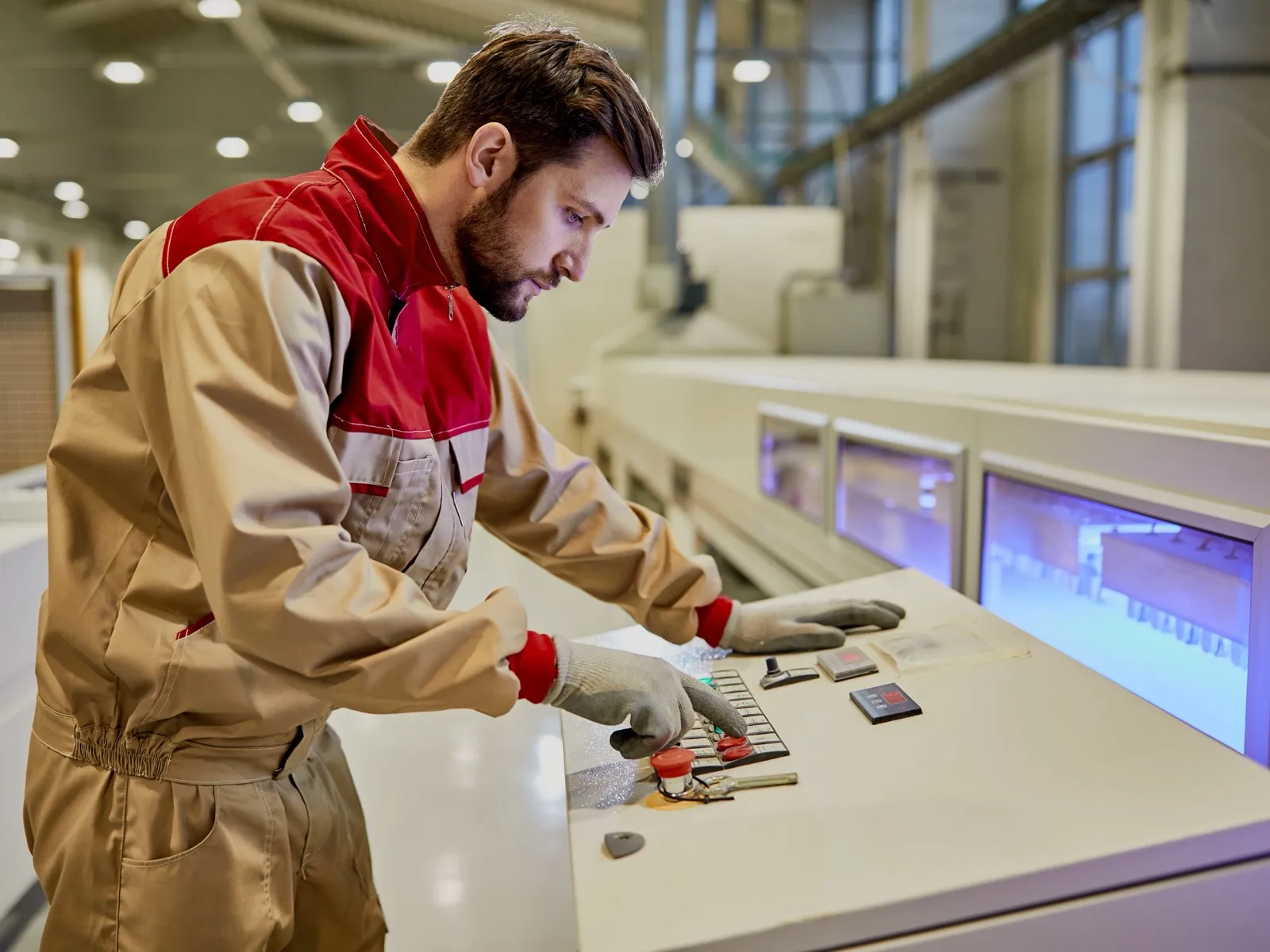
A late shift on the line
A late shift usually runs from 2 pm to 10 pm. In a food company you work on the packing line, help out with a product changeover and clean the line at the end. Click a moment to see how it goes.

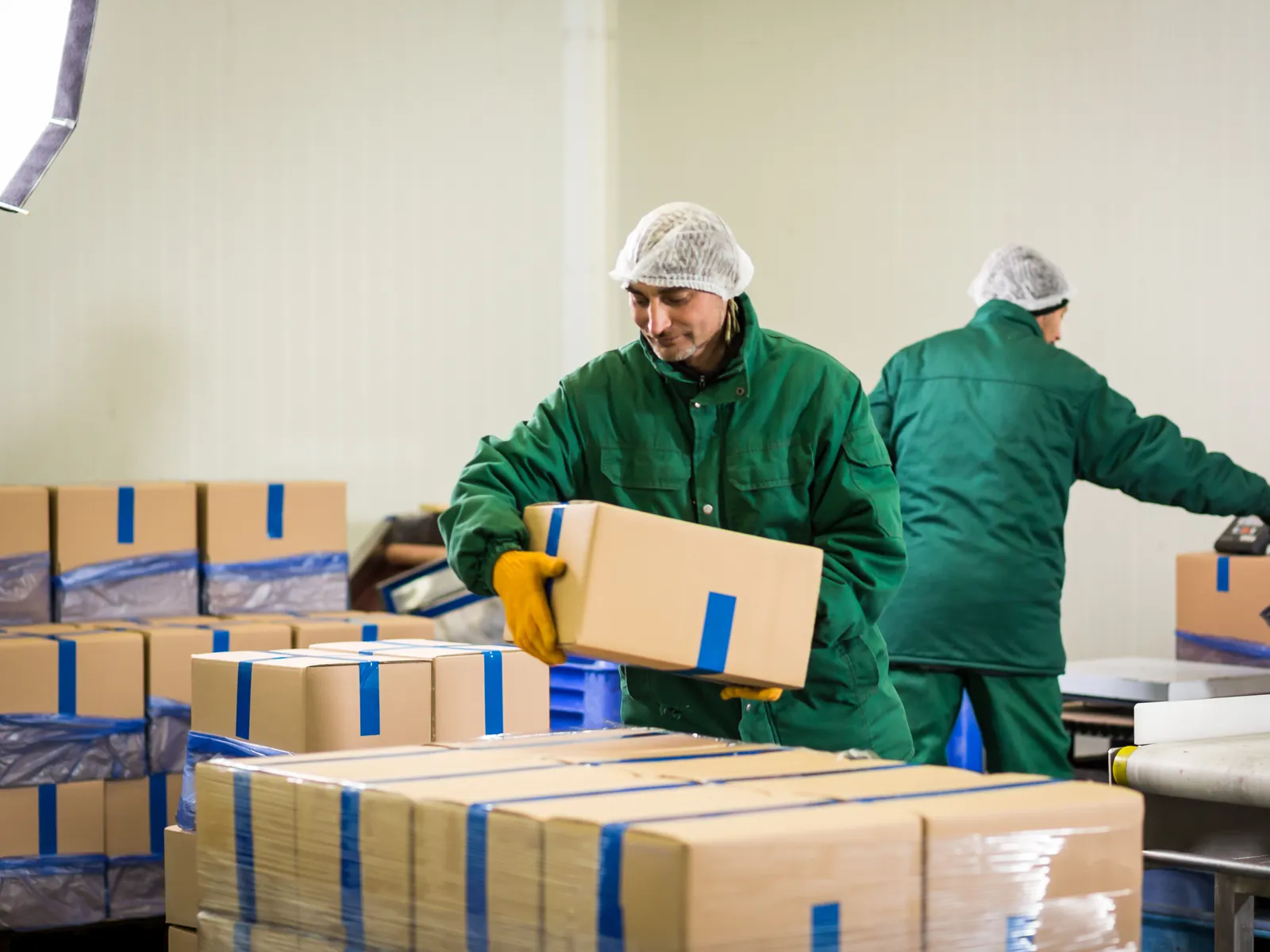
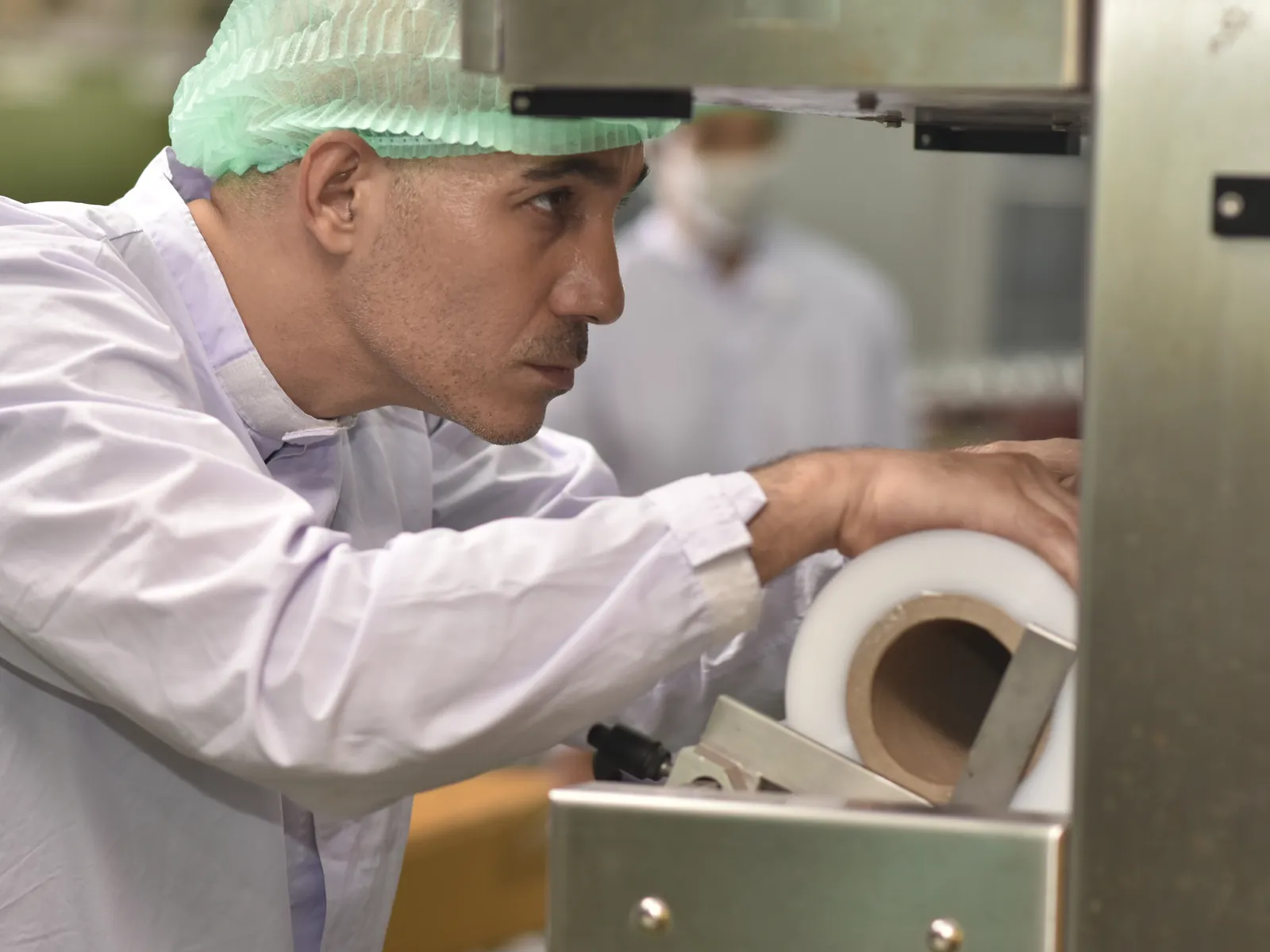
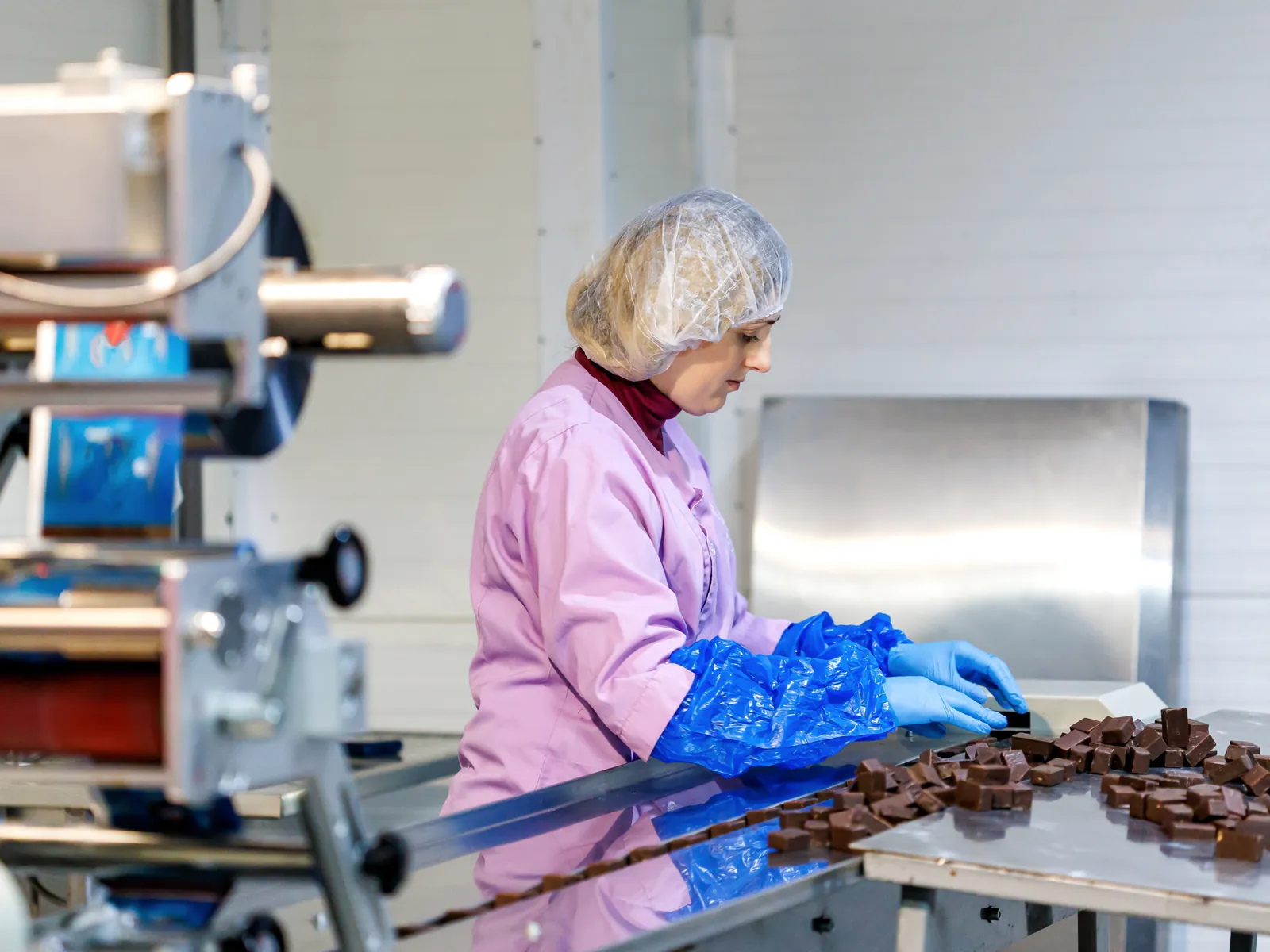
In a food company you can't just walk onto the floor. You put on a hairnet, take off your jewellery, wash your hands and step through a tray of disinfectant. Only then are you in the production area, where nothing may fall into the food.
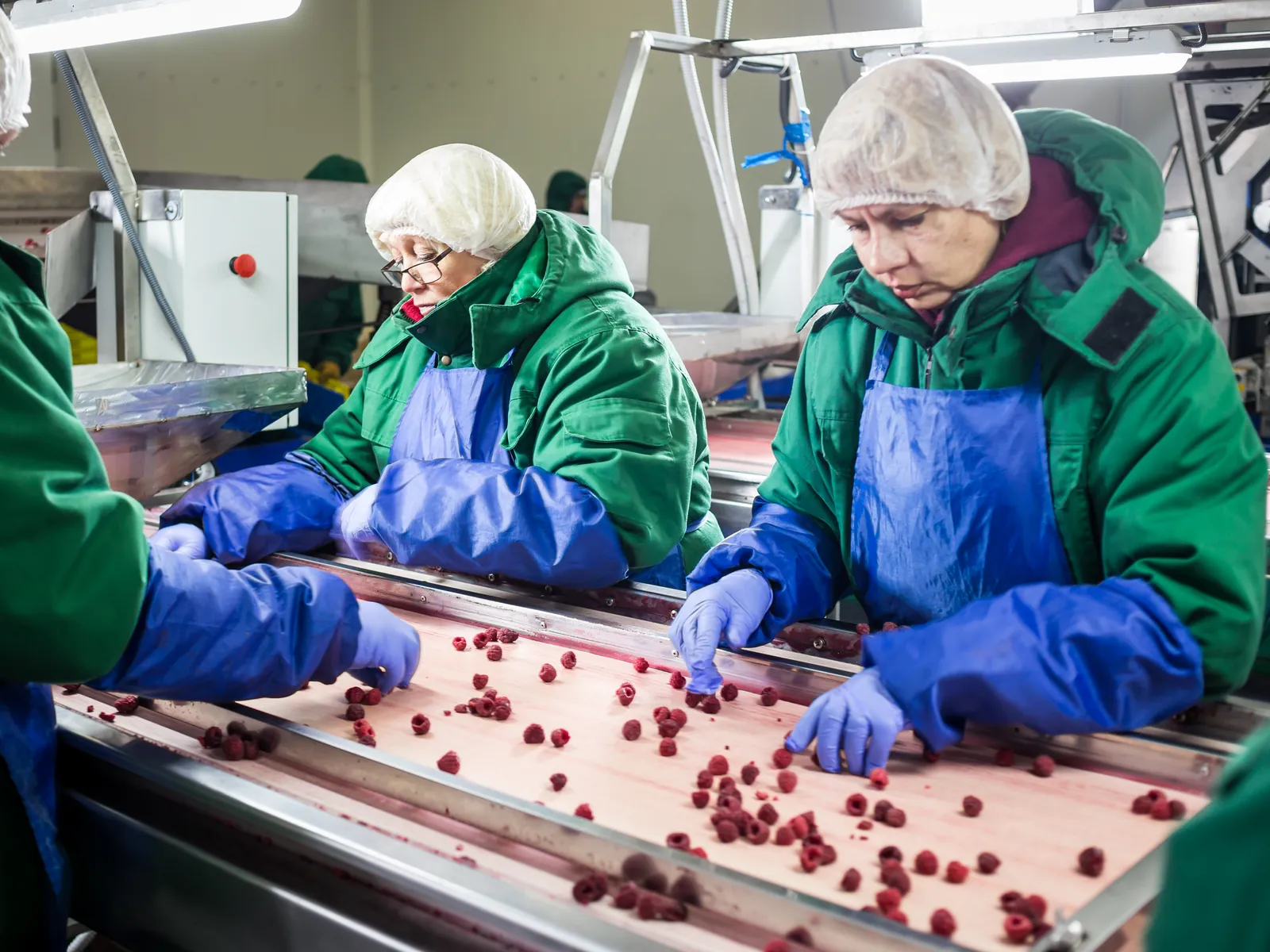
The team leader gives you a fixed spot. You put bags into boxes, fold open new boxes or keep the roll of film on the machine topped up. The belt sets the pace, so the first half hour takes some getting used to.
Around five the line stops because a different product is coming on. You clear away the old packaging and labels and get the new ones ready. A technician sets up the machine, then you check the first boxes for the right best-before date.
After the evening break in the canteen you often move one spot along the line. If you folded boxes for two hours, you now sort products or check labels. It keeps the work less repetitive and saves your wrists and back.
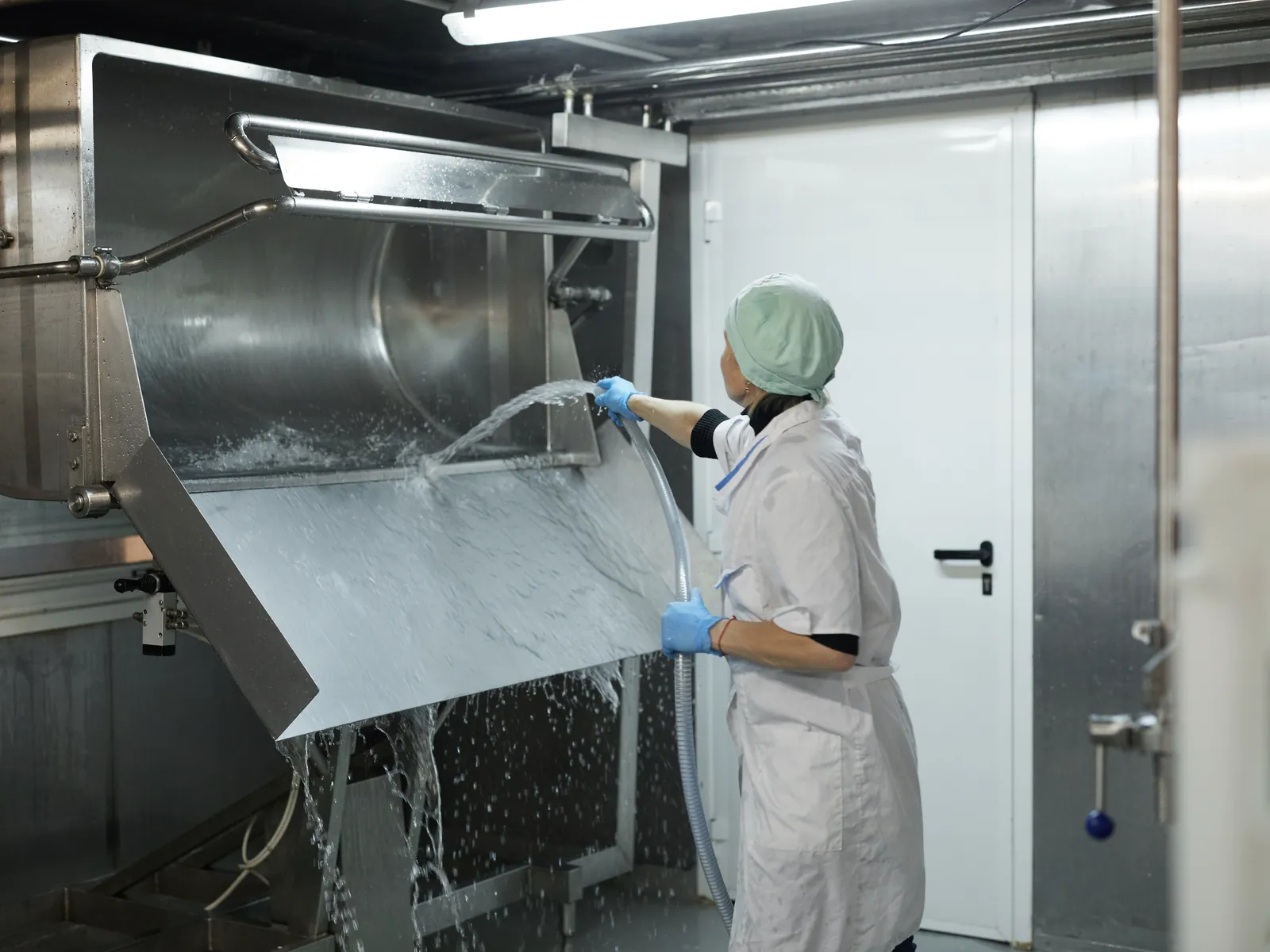
The last hour is for cleaning. The line is stopped and you scrape leftovers off the belt, spray foam on the parts and rinse with water. At 10 pm you clock out and the line is ready for the next morning.
Common roles: Production worker (early shift), Line operative (late shift), Sorter (july and august), Labeller (big orders), Assembly worker (day shift), Line cleaner (after the last shift).
You put products in bags, trays or boxes, fold open new boxes and stack full boxes on a pallet. In a chocolate or biscuit factory you work with a hairnet and gloves.
No experience neededYou take damaged or faulty products off the belt before they are packed. During the vegetable campaign you sort peas, beans or carrots straight from the field.
Stay alert, often in a cold hallYou keep the machine running by refilling packaging, film and labels in time. If the line stops, you alert the operator or the technician.
You learn it on your first shiftYou put parts together following a fixed work instruction, often at a workbench next to the belt. After each piece you check that everything is properly fixed.
Good with your handsOn the line you know exactly what you'll be doing from the start of your shift. For a student job or flexi-job that has a few advantages.
You don't have to deal with anyone. You work at the pace of the belt, next to colleagues doing the same.
With a late shift you can sleep in or go to class in the morning. Your shift only starts at two.
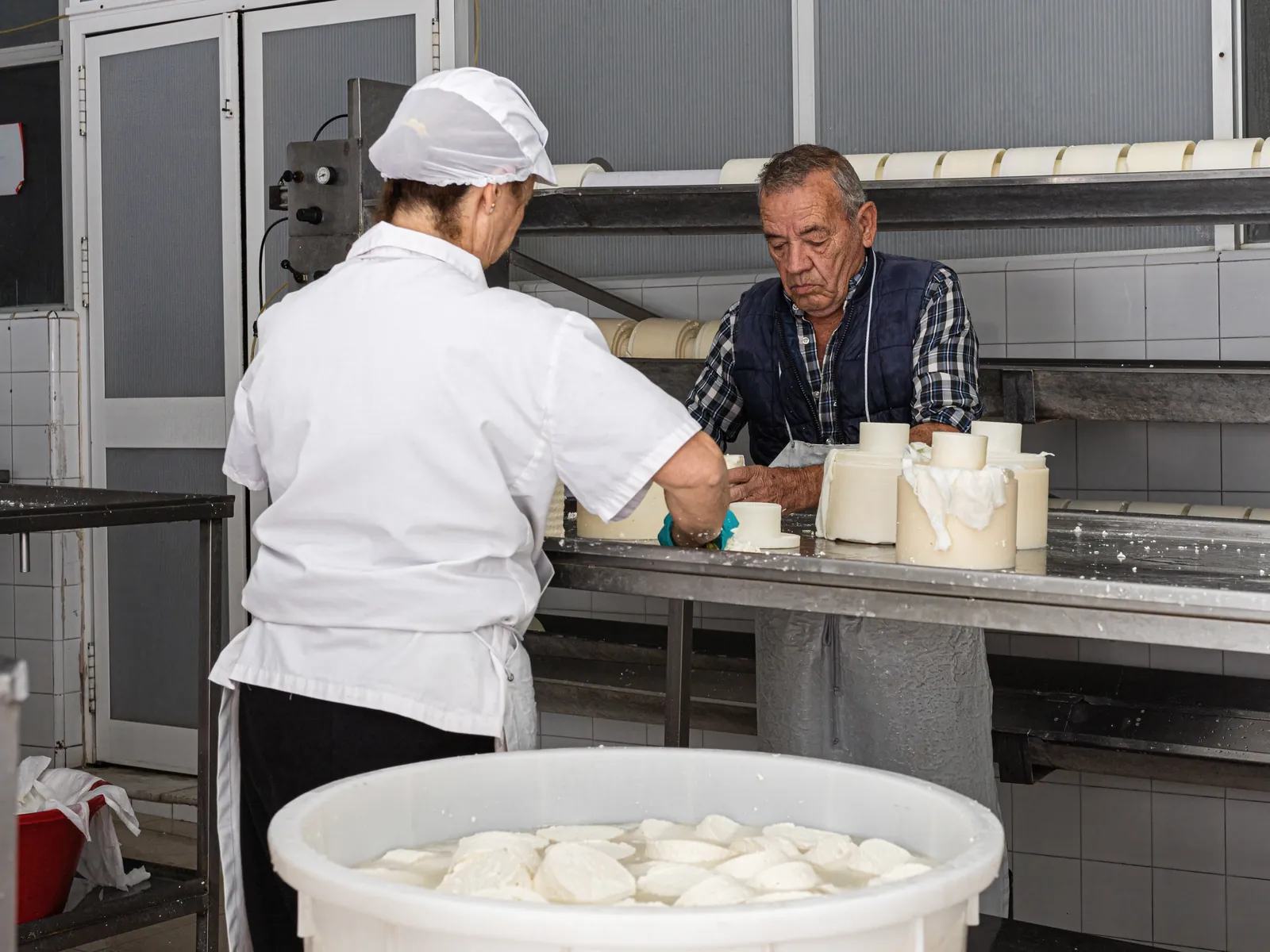
Take several shifts at the same company and you're often on the same team. You quickly get to know the line and the people.
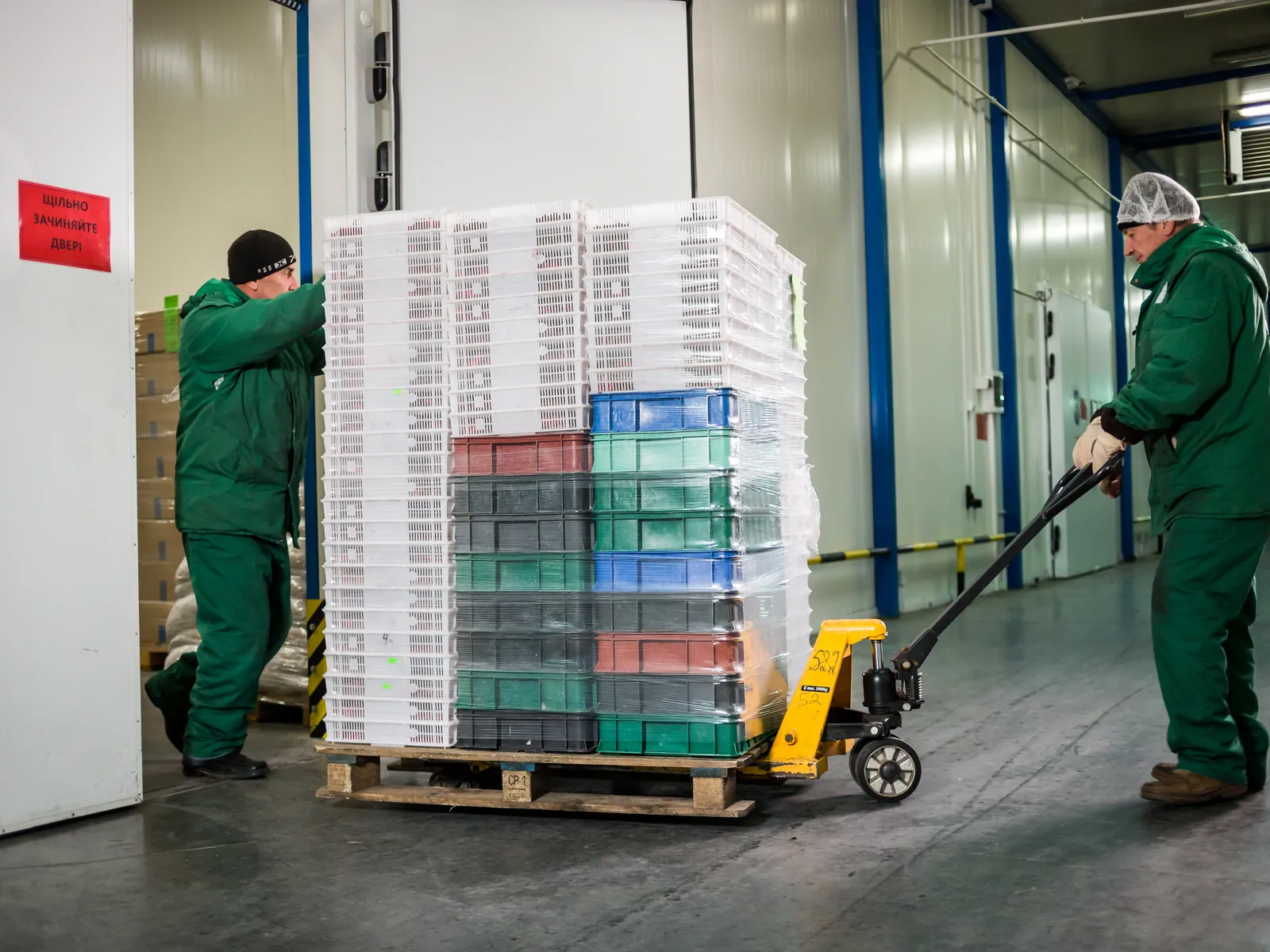
At the end of the shift the pallets you helped fill are ready to go. You see straight away what you've done.
You won't see a fixed amount here, because it depends on the company's sector and on your shift. This is what sets your pay.
A food company usually falls under joint committee 118, a metal company under 111. You get at least the pay scale for your job, and as a young student sometimes a lower percentage based on your age.
If you work an early, late or night shift, many collective agreements provide a shift premium on top of your hourly wage. How much differs per committee and per company.
You get at least the pay scale for your job, plus flexi holiday pay. Your flexi income stays tax-free up to 18,440 euros a year.
The hourly wage is shown with every shift in the app. That way you compare a late shift with a day shift before you respond.
| Student | Flexi-jobber | |
|---|---|---|
| Requirement | You are studying and at least 16, or 15 if you finished the first two years of secondary school. | You have a job of at least 4/5 elsewhere, or you are retired. |
| Maximum | 650 hours a year at reduced contributions. A summer on the line counts fully towards it. | No limit on hours. Tax-free up to 18,440 euros a year, with no ceiling for retirees. |
| What is deducted? | 2.71 percent solidarity contribution. | No social contributions for you. |
| Late shift | Under 18 you in principle don't work between 8 pm and 6 am. So check the end time. | Late and night shifts with no extra age rule. |
| Vegetable campaign | Lots of shifts in July and August, when you are on holiday. | In an evening or weekend shift next to your regular job, if the company works with flexi-jobbers. |
All the rules for 2026Rules checked on 7 October 2026.
Pick a shift in the app and tap apply.
The business picks you and your contract is ready.
Arrive on time and clock in through the app.
You work and break when it's allowed.
Clock out, your pay follows within days.
Download the app as a shifter or register your business for free.
Choose which cookies you allow. You can change your choice at any time.
Required to make the website work (session, security, your cookie choice). These cannot be switched off.
Help us understand how visitors use the site so we can improve it. Anonymised where possible.
Used to show relevant ads and measure campaign reach.